Αναζήτηση αναρτήσεων

Σάββατο 1 Φεβρουαρίου 2020

Η θαυμαστή κοινωνία των μελισσών


Η θαυμαστή κοινωνία των μελισσών


Οι Έλληνες ανέκαθεν ήταν στενά δεμένοι με τον κόσμο των μελισσών. Ο πρώτος που ασχολήθηκε επιστημονικά με αυτές 300 χρόνια π.Χ., ήταν ο Αριστοτέλης. 
Την εποχή εκείνη, ο Υμηττός ήταν το ιερό βουνό των μελισσουργών και το θυμαρίσιο μέλι του ήταν γνωστό πέρα απ` τα σύνορα της Αρχαίας Ελλάδας. 
Στην Αρχαία Ελλάδα, ο Ιπποκράτης το μέλι το συνιστούσε για πολλές ασθένειες, ενώ ο Διογένης έγραφε ότι "οι ηλικιωμένοι που τρώνε μόνο μέλι και ψωμί ζουν πάρα πολλά χρόνια". Ο Δημόκριτος από τα Άβδηρα έζησε 109 χρόνια γιατί, όπως έλεγε: "Μέλι μέσα, λάδι απ` έξω". Άλλοι, όπως ο Ζήνωνας και ο Πυθαγόρας, έφτασαν σε πολύ μεγάλη ηλικία γιατί τρέφονταν αποκλειστικά με μέλι και ψωμί. 
Στην Αρχαία Ελλάδα η μέλισσα ήταν ιερή και ήταν το σύμβουλο της ευφράδειας.
Οι μέλισσες είναι έντομα και ανήκουν στα Υμενόπτερα. 
Ζουν μέσα σε μια οργανωμένη κοινωνία και κάθε μέλος έχει ξεχωριστά καθήκοντα μέσα στην κυψέλη. Η βασίλισσα είναι ανίκανη να φροντίζει τον εαυτό της ή την αποικία. Το μόνο χρέος που έχει είναι να γεννάει αυγά σε ορισμένες εποχές του χρόνου. 
Οι κηφήνες γονιμοποιούν τη βασίλισσα κατά τη διάρκεια του "παρθενικού ταξιδιού" της, ενώ οι εργάτριες, που είναι στείρες θηλυκές, ασχολούνται με όλες τις εργασίες που είναι αναγκαίες για την καλή λειτουργία της αποικίας.

Παρασκευή 31 Ιανουαρίου 2020

Quantum calorimeter is as precise as nature allows

Quantum calorimeter is as precise as nature allows

30 Jan 2020


How do you define the position of something that won’t stay still? This is the problem physicists face when they try to measure a system’s properties with such precision that quantum effects contribute a significant source of uncertainty. Whatever the variable, and however refined the instrument, there comes a point at which the signal is lost in the noise.

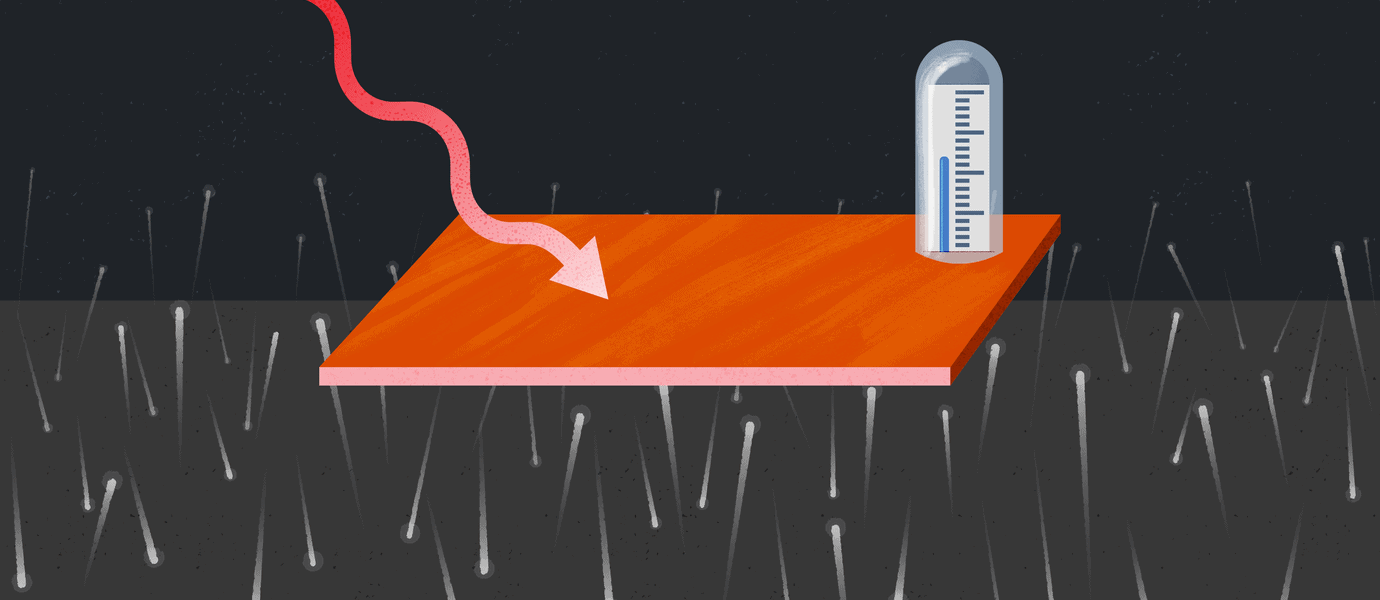
A quantum calorimeter developed by researchers at Finland’s Aalto University School of Science and Lund University, Sweden, defines this limit for an ideal thermometer by measuring fluctuations in the electron temperature of a copper nanowire. The team found that the intrinsic thermal noise in the wire is small enough for them to detect a single microwave photon. As well as enabling new experiments in quantum thermodynamics, the device could be used to make noninvasive measurements of quantum systems such as qubits in superconducting quantum computers.

Πέμπτη 30 Ιανουαρίου 2020

Tuned ultrasound selectively disrupts the structure of cancer cells

Tuned ultrasound selectively disrupts the structure of cancer cells

24 Jan 2020


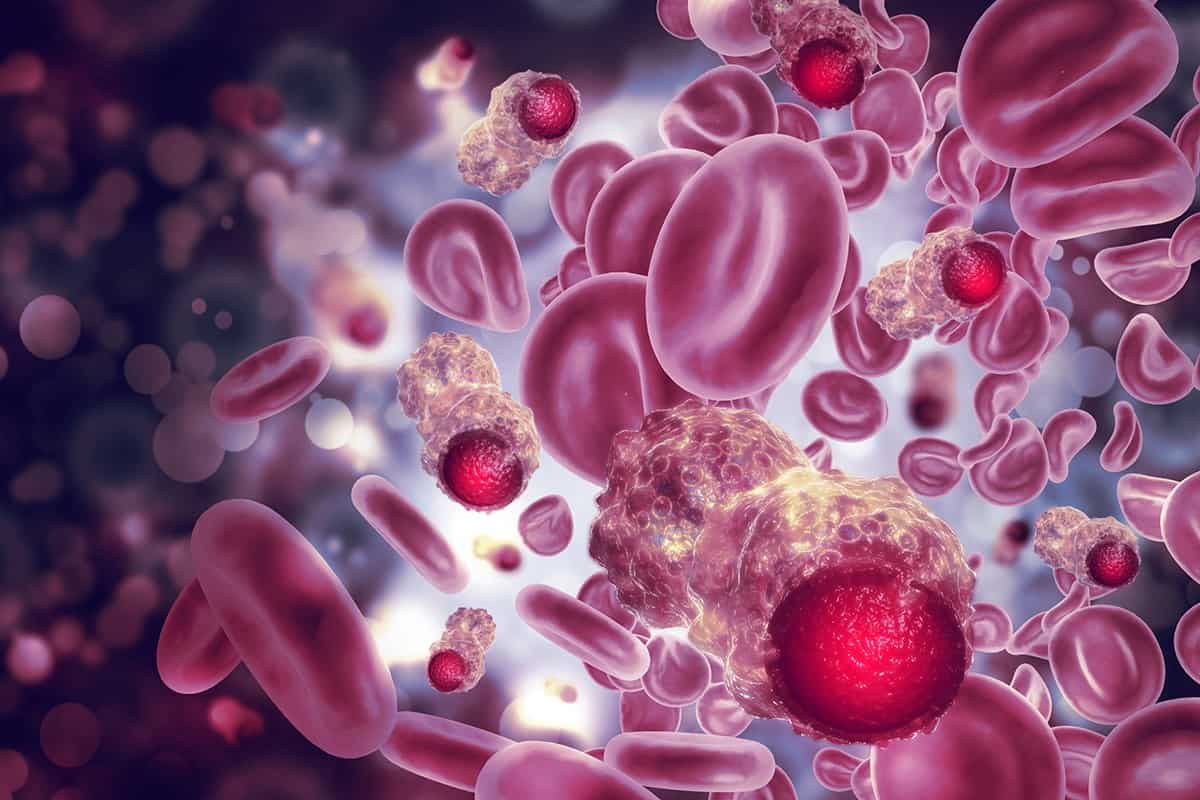
Medical engineers have proven that the unique internal structure of cancer cells can make them vulnerable to vibrations from specific frequencies of ultrasound. These low-intensity pulsed ultrasound waves are a potentially safe therapy to target cancers of the blood.

High-intensity focused ultrasound is sometimes used to destroy cancer cells deep within tissues, but the thermal energy transmitted can also damage healthy cells at the ultrasound focus. Low-intensity pulsed ultrasound (LIPUS), on the other hand, doesn’t heat up cells but is used to mechanically modulate cells, for stimulating bone repair, for example.

Παρασκευή 24 Ιανουαρίου 2020

Nanomaterial-coated fabric destroys chemical warfare agents

Nanomaterial-coated fabric destroys chemical warfare agents

20 Jan 2020 


A textile coated with metal-organic frameworks (MOFs) could make an efficient anti-nerve agent material, according to experiments by researchers at Northwestern University in the US. The MOFs, which are based on zirconium, could act as catalysts to degrade chemical warfare agents such as VX and soman (GD) much faster than existing technologies, which are based on activated carbon and metal-oxide blends. The composite material, which might be used in protective suits and face masks for soldiers on the battlefield, does not require liquid water to work either, as previously thought.

MOFs are periodic nanoporous crystalline frameworks made from metal ions or clusters coordinated to organic ligands. The high surface area that comes from their porous structure means that they can be used in a host of applications, from sensing to gas separation and storage and catalysis.

Ultra-flat graphene goes wrinkle-free

Ultra-flat graphene goes wrinkle-free

17 Jan 2020 


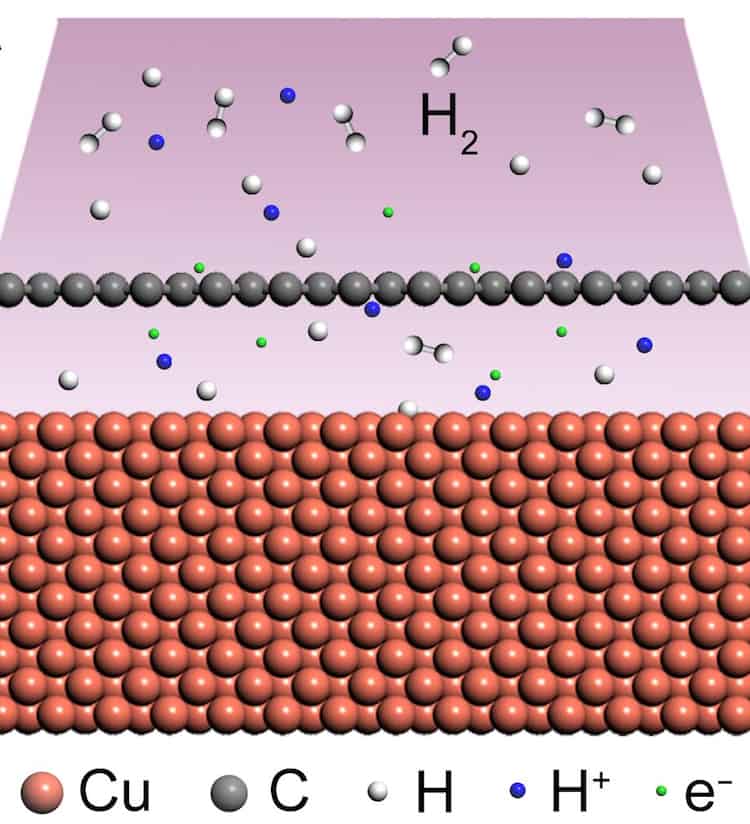
A new technique to make ultra-flat, wrinkle-free films of graphene could pave the way for a host of applications, including graphene-based flexible electronics and high-frequency transistors. The technique works by introducing protons into the film as graphene is synthesized using chemical vapour deposition (CVD), and its inventors say that it might be extended to other two-dimensional materials such hexagonal boron nitride (h-BN) and the transition-metal dichalcogenides (TMDCs). It could also aid the development of hydrogen storage devices made from layered 2D structures.

Graphene – a 2D honeycomb of carbon atoms just one atom thick – boasts several unique electronic properties. In contrast to conventional semiconductors, which have an energy gap between the electron valence and conduction bands, graphene is a “zero-gap” semiconductor. This means its electron valence and conduction bands just touch each other. At the point of contact, the electrons move at near-ballistic speeds, and their behaviour is governed by the Dirac equation for relativistic electrons – hence the name “Dirac point” for this section of graphene’s band structure.
Linear defects.

Photon frequency doubler is controlled by light

Photon frequency doubler is controlled by light

21 Jan 2020


A way of using light to convert a normal optical material into a frequency doubler has been developed by Mohammad Taghinejad and colleagues at the Georgia Institute of Technology. The technique could have a range of applications from creating all-optical information-processing devices to studying quantum-mechanical tunnelling.


Frequency doubling is an optical effect that occurs in spatially asymmetrical materials that have a second-order nonlinear susceptibility. Two photons with the same frequency can interact with the material and combine to form a single photon with twice the frequency of the original photons. While most crystalline materials do not have the appropriate asymmetry in the bulk, frequency doubling can occur at surfaces and interfaces. However, relying on these very thin regions is not ideal for creating practical devices.