Αναζήτηση αναρτήσεων

Κυριακή 3 Οκτωβρίου 2021

Textile clinic: stretchable fabrics tailored with carbon nanotube electrodes monitor the heart


Textile clinic: stretchable fabrics tailored with carbon nanotube electrodes monitor the heart

01 Oct 2021 Raudel Avila
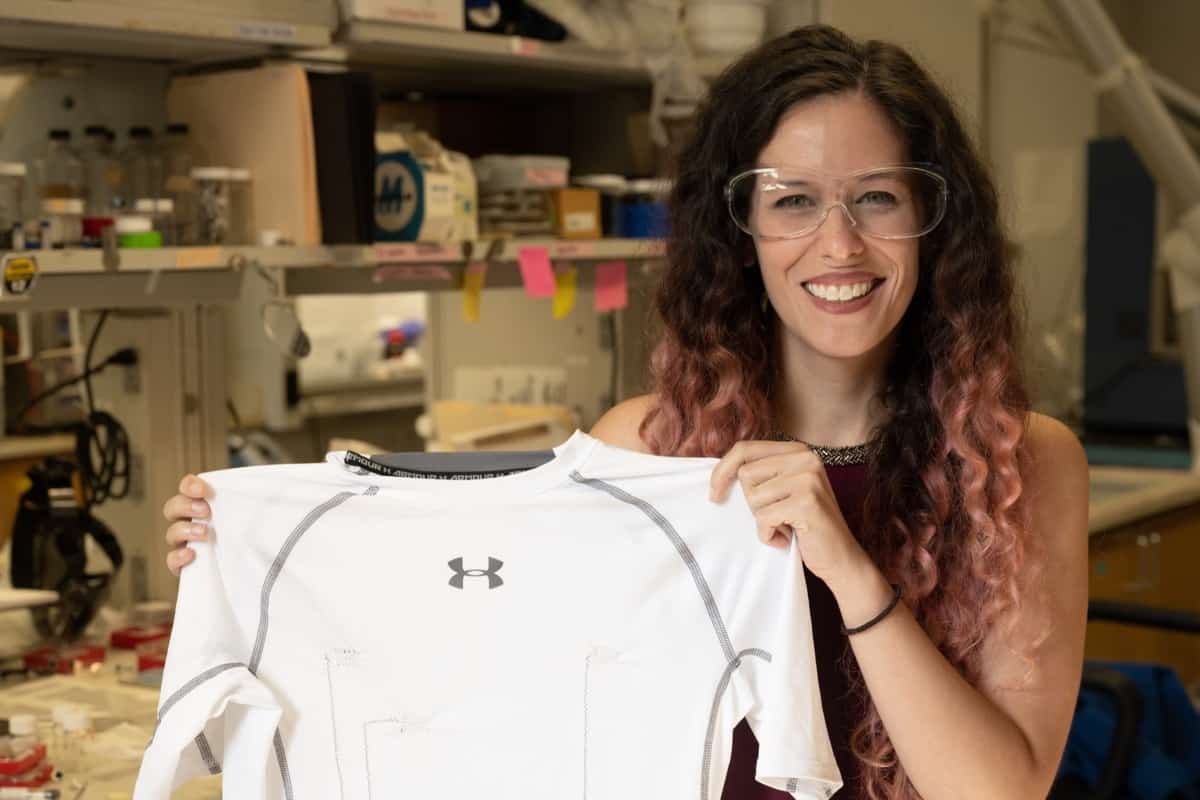


Museum collections across the world feature characteristic clothes from different time periods that showcase human history. Such garments can identify a wearer’s country, social status, approximate age and religion. Clothing also provides a historical link to the materials and textile technologies available at the time. Today, researchers envision that clothes’ functionalities could reach beyond fashion, protection and comfort to provide sophisticated biosensing and tracking capabilities.

Helgoland and the captivating origins of quantum theory


Helgoland and the captivating origins of quantum theory

15 Jun 2021 James Dacey


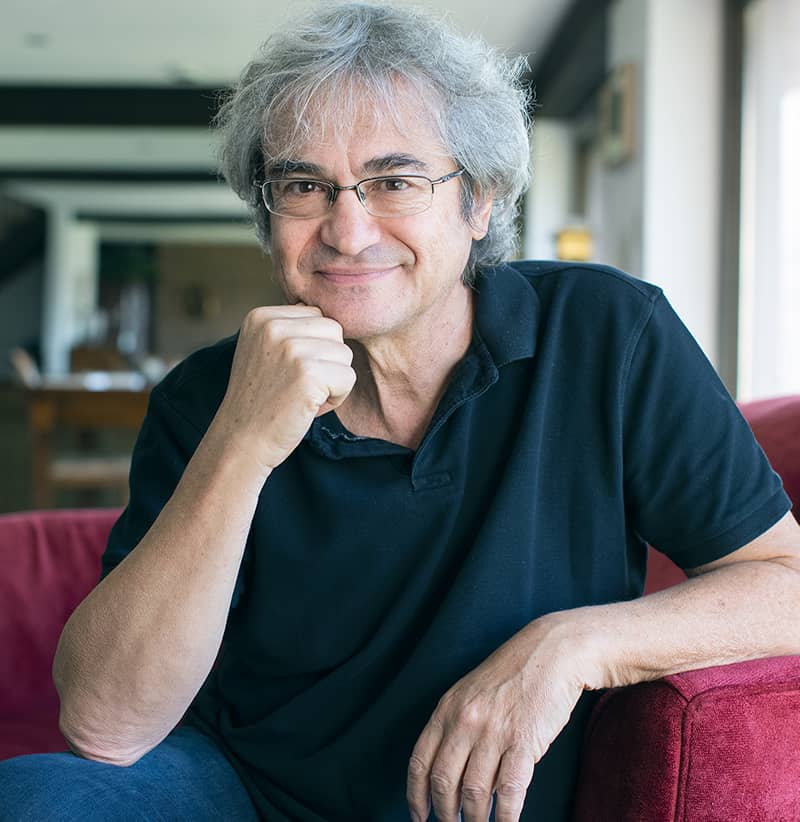
In June 1925 Werner Heisenberg retreated to Helgoland in the North Sea, a treeless island offering the 23-year-old German physicist a space to think, along with some respite from the extreme hay fever he was suffering. On that remote outpost, Heisenberg had an idea that would revolutionize physics and bring profound implications for philosophy and technology. This was an event that would kickstart quantum mechanics.Carlo Rovelli. (Courtesy: Christopher Wahl)

Helgoland is the title of the latest book by physicist and science writer Carlo Rovelli. It is essentially a journey through the origins of quantum physics, interwoven with narrative about Heisenberg, Dirac, Einstein and the other luminaries from the first quantum generation. Rovelli also discusses his own interpretations of the quantum world, and connects quantum theory with diverse ideas, from Buddhist thinking to the grand themes of the Russian revolution.

Tackling the big questions in physics with Jim Al-Khalili, how a physicist worked out why dinosaurs went extinct


Tackling the big questions in physics with Jim Al-Khalili, how a physicist worked out why dinosaurs went extinct

30 Sep 2021 Hamish Johnston

Life beyond the Nobel: Russell Hulse’s path from binary pulsar discoverer to plasma physicist


Life beyond the Nobel: Russell Hulse’s path from binary pulsar discoverer to plasma physicist

02 Oct 2021 Margaret Harris


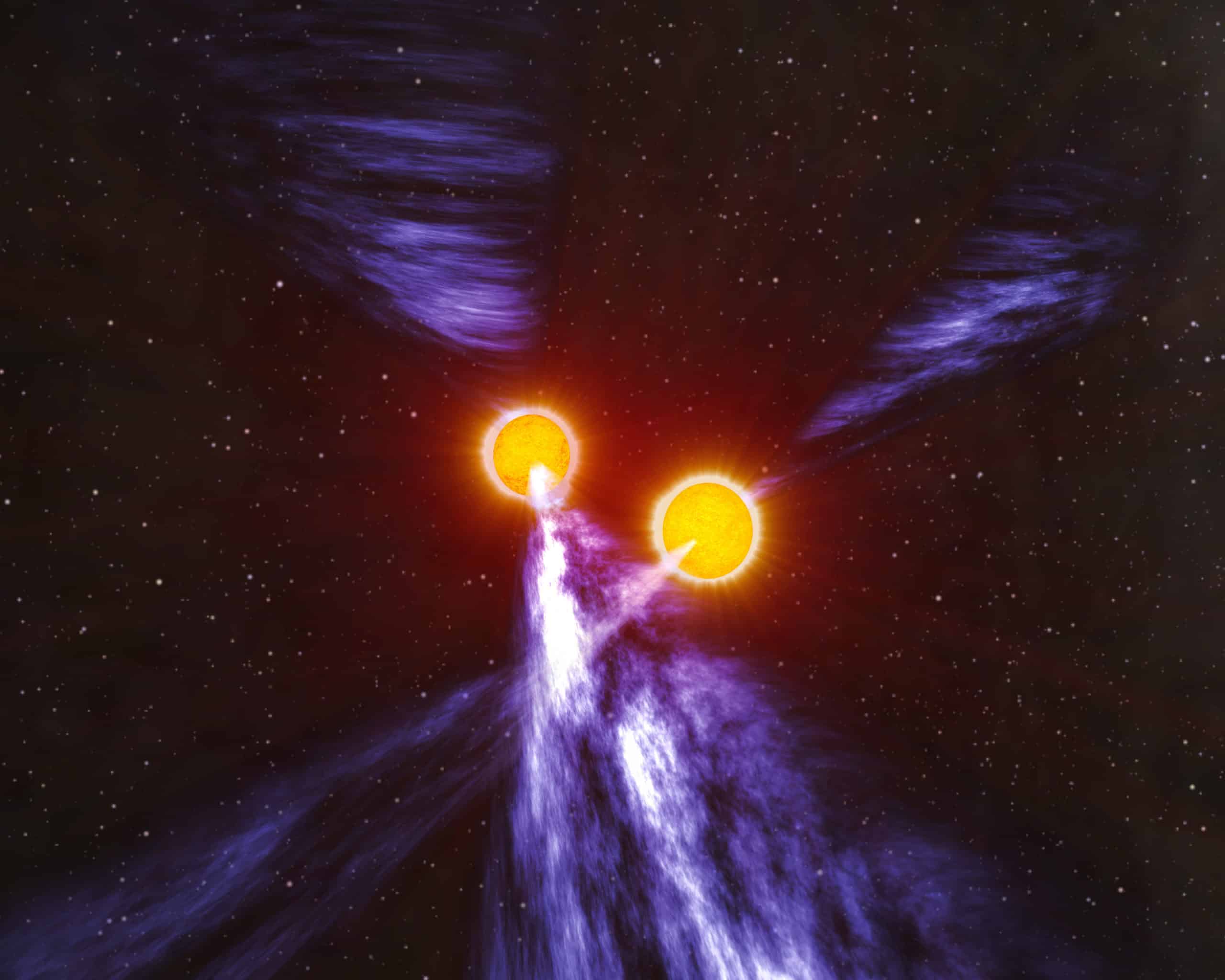
In the run-up to the announcement of the 2021 Nobel Prize for Physics on 5 October, we’re running a series of blog posts looking at previous recipients and what they did after their Nobel prize-winning work. Margaret Harris examines the circumstances that shaped the career of 1993 laureate Russell Hulse


In the summer of 1974, Russell Hulse was down in the weeds of collecting data for his PhD thesis when he noticed something odd. Together with his supervisor Joseph Taylor, Hulse was using the famed 350 m spherical reflector dish at the Arecibo Observatory in Puerto Rico to search for pulsars: compact and highly magnetized stars that broadcast bursts of radio waves across the galaxy as they rotate. Although the first pulsar had been spotted only six years earlier by another student-and-supervisor pair, Jocelyn Bell Burnell and Antony Hewish, these unusual stars were already a hot topic in astrophysics.

Σάββατο 2 Οκτωβρίου 2021

Inflatable liquid crystalline elastomers create complex colour-changing displays


Inflatable liquid crystalline elastomers create complex colour-changing displays

27 Sep 2021


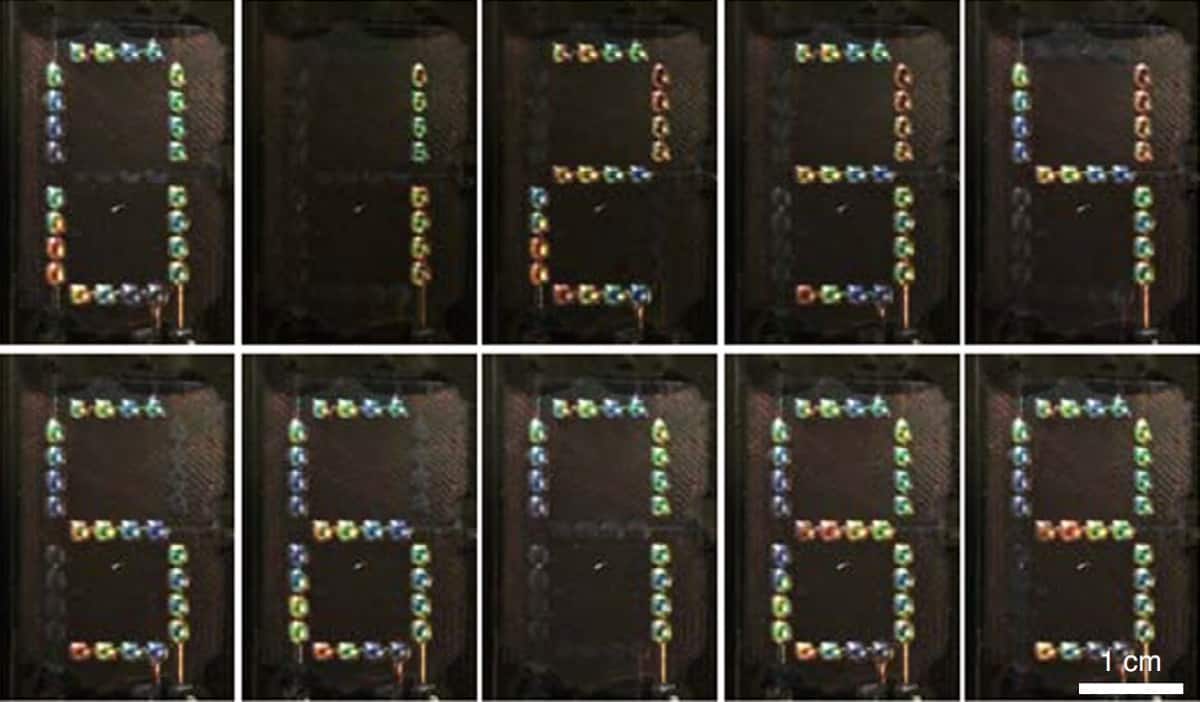
Elastomers that undergo large spectral shifts in colour when stretched very little have been developed by researchers in the US and South Korea. The material scientists say that these liquid crystalline elastomers with an unusually large Poisson’s ratio could have a variety of uses, from visual displays to smart windows.

‘Most perfect graphene ever’ grows fold-free on metal foil


‘Most perfect graphene ever’ grows fold-free on metal foil

29 Sep 2021 Isabelle Dumé


A team of researchers in Korea claims to have synthesized the most perfect large-area single-crystal graphene film ever by pinning down the temperature above which unwanted folds naturally develop in the carbon sheet. The new fold-free film will likely be used to make high-performance electronic and photonic devices.

Pure samples of graphene (a sheet of carbon just one atom thick) are usually grown using chemical vapour deposition (CVD).

Hyperbaric oxygen therapy could slow, or even reverse, Alzheimer’s disease pathology


Hyperbaric oxygen therapy could slow, or even reverse, Alzheimer’s disease pathology

30 Sep 2021 Tami Freeman


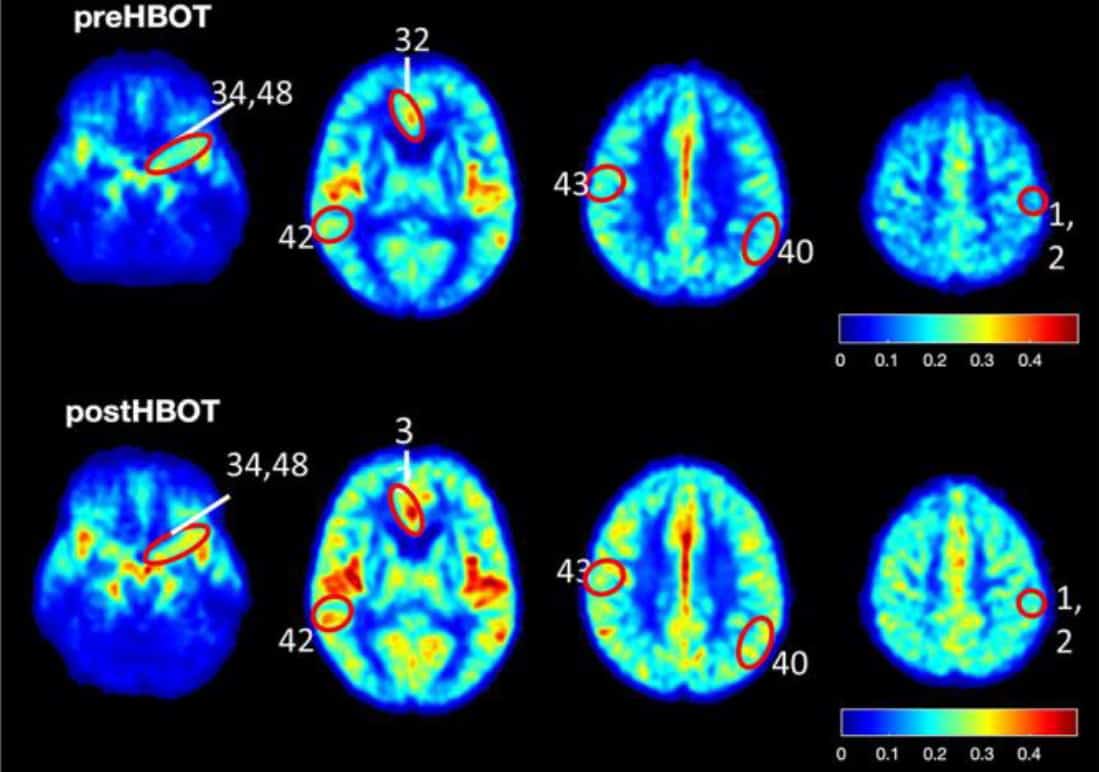
Hyperbaric oxygen therapy (HBOT), an established medical treatment that involves breathing pure oxygen in a pressurized environment, could provide a new means to slow the progression, or even prevent the development, of Alzheimer’s disease. That’s the conclusion of a new study from researchers at Tel Aviv University and Shamir Medical Center.