ΤΟΜΗ ΚΕΦΑΛΗΣ ΓΥΡΙΝΟΥ ΒΑΤΡΑΧΟΥ (ΓΕΝΙΚΗ ΒΙΟΛΟΓΙΑ - ΑΜΦΙΒΙΑ)
Δευτέρα 2 Μαρτίου 2020

Πέμπτη 27 Φεβρουαρίου 2020
Coronavirus Disease 2019 (COVID-19) Situation Summary
Coronavirus Disease 2019 (COVID-19) Situation Summary
This is an emerging, rapidly evolving situation and CDC will provide updated information as it becomes available, in addition to updated guidance.
Updated February 25, 2020
Background
CDC is responding to an outbreak of respiratory disease caused by a novel (new) coronavirus that was first detected in Wuhan City, Hubei Province, China and which has now been detected in 37 locations internationally, including cases in the United States. The virus has been named “SARS-CoV-2” and the disease it causes has been named “coronavirus disease 2019” (abbreviated “COVID-19”).
On January 30, 2020, the International Health Regulations Emergency Committee of the World Health Organization declared the outbreak a “public health emergency of international concernexternal icon” (PHEIC). On January 31, 2020, Health and Human Services Secretary Alex M. Azar II declared a public health emergency (PHE) for the United States to aid the nation’s healthcare community in responding to COVID-19.
How COVID-19 Spreads
How COVID-19 Spreads
Current understanding about how the virus that causes coronavirus disease 2019 (COVID-19) spreads is largely based on what is known about similar coronaviruses.
Person-to-person spread
The virus is thought to spread mainly from person-to-person.
Between people who are in close contact with one another (within about 6 feet)
Via respiratory droplets produced when an infected person coughs or sneezes.
These droplets can land in the mouths or noses of people who are nearby or possibly be inhaled into the lungs.
Η ΕΠΙΔΗΜΙΑ ΕΝΟΣ ΑΛΟΙΩΤΙΚΟΥ ΙΟΥ - ΚΟΡΩΝΟΪΟΣ
Η ΕΠΙΔΗΜΙΑ ΕΝΟΣ ΑΛΟΙΩΤΙΚΟΥ ΙΟΥ - ΚΟΡΩΝΟΪΟΣ
Καναδικό Υπουργείο Υγείας Δελτίο: Pls tell ur οικογένειες, συγγενείς και φίλους
Η ανώτερη αναπνευστική μόλυνση που επηρεάζει την Κίνα είναι αρκετά σοβαρή. Ο ιός που προκαλεί αυτό είναι πολύ ισχυρός και είναι ανθεκτικός στα υπάρχοντα αντιβιοτικά.
(ο ιός δεν είναι βακτηριακή λοίμωξη και συνεπώς δεν μπορεί να αντιμετωπιστεί με αντιβιοτικά).
Η μέθοδος πρόληψης είναι τώρα να κρατήσετε το λαιμό σας υγρό, μην αφήστε το λαιμό σας να στεγνώσει. Μην κρατάτε λοιπόν τη δίψα σας, γιατί μόλις στεγνώσει η μεμβράνη στο λαιμό σας, ο ιός θα εισβάλει στο σώμα σας μέσα σε 10 λεπτά. Πιείτε 50-80cc ζεστό νερό, 30-50cc για τα παιδιά, ανάλογα με την ηλικία. Κάθε φορά που αισθάνεστε ότι ο λαιμός σας είναι ξηρός, μην περιμένετε, κρατήστε το νερό στο χέρι.
Παρασκευή 7 Φεβρουαρίου 2020
Σάββατο 1 Φεβρουαρίου 2020
Η θαυμαστή κοινωνία των μελισσών
Η
θαυμαστή κοινωνία των μελισσών
Οι Έλληνες ανέκαθεν ήταν στενά δεμένοι με τον κόσμο των μελισσών. Ο πρώτος που ασχολήθηκε επιστημονικά με αυτές 300 χρόνια π.Χ., ήταν ο Αριστοτέλης.
Την εποχή εκείνη, ο Υμηττός ήταν το ιερό βουνό των μελισσουργών και το θυμαρίσιο μέλι του ήταν γνωστό πέρα απ` τα σύνορα της Αρχαίας Ελλάδας.
Στην Αρχαία Ελλάδα, ο Ιπποκράτης το μέλι το συνιστούσε για πολλές ασθένειες, ενώ ο Διογένης έγραφε ότι "οι ηλικιωμένοι που τρώνε μόνο μέλι και ψωμί ζουν πάρα πολλά χρόνια". Ο Δημόκριτος από τα Άβδηρα έζησε 109 χρόνια γιατί, όπως έλεγε: "Μέλι μέσα, λάδι απ` έξω". Άλλοι, όπως ο Ζήνωνας και ο Πυθαγόρας, έφτασαν σε πολύ μεγάλη ηλικία γιατί τρέφονταν αποκλειστικά με μέλι και ψωμί.
Στην Αρχαία Ελλάδα η μέλισσα ήταν ιερή και ήταν το σύμβουλο της ευφράδειας.
Οι μέλισσες είναι έντομα και ανήκουν στα Υμενόπτερα.
Ζουν μέσα σε μια οργανωμένη κοινωνία και κάθε μέλος έχει ξεχωριστά καθήκοντα μέσα στην κυψέλη. Η βασίλισσα είναι ανίκανη να φροντίζει τον εαυτό της ή την αποικία. Το μόνο χρέος που έχει είναι να γεννάει αυγά σε ορισμένες εποχές του χρόνου.
Οι κηφήνες γονιμοποιούν τη βασίλισσα κατά τη διάρκεια του "παρθενικού ταξιδιού" της, ενώ οι εργάτριες, που είναι στείρες θηλυκές, ασχολούνται με όλες τις εργασίες που είναι αναγκαίες για την καλή λειτουργία της αποικίας.
Παρασκευή 31 Ιανουαρίου 2020
Quantum calorimeter is as precise as nature allows
Quantum calorimeter is as precise as nature allows
30 Jan 2020
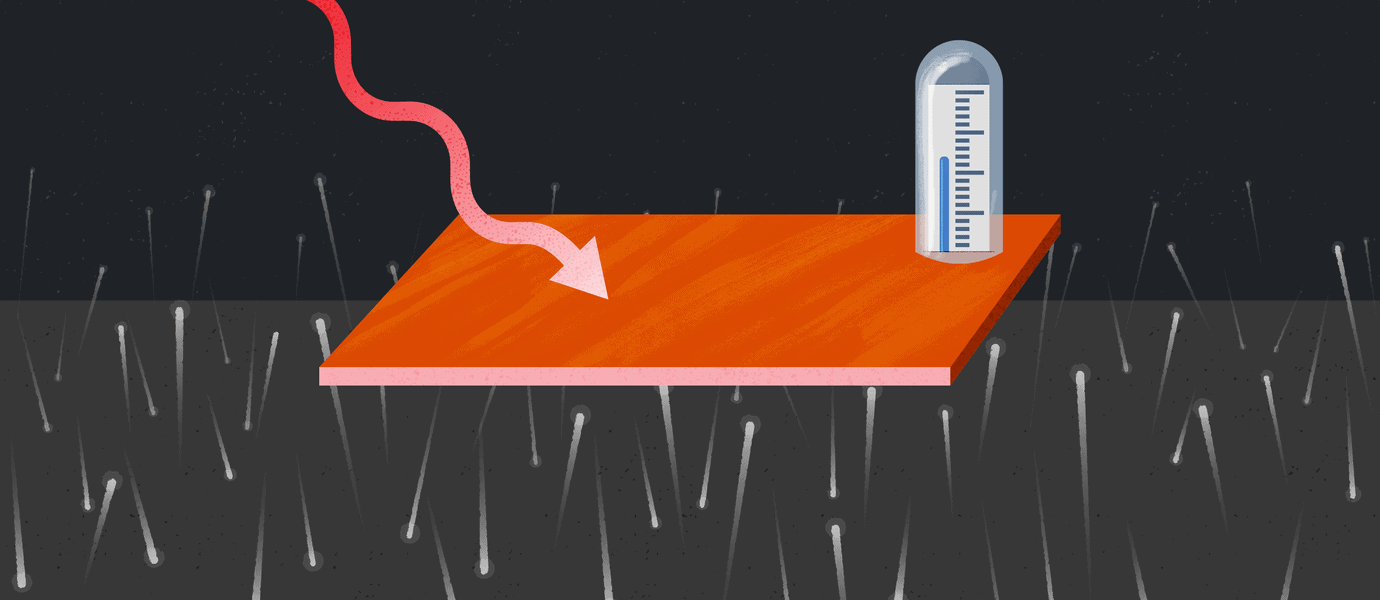
How do you define the position of something that won’t stay still? This is the problem physicists face when they try to measure a system’s properties with such precision that quantum effects contribute a significant source of uncertainty. Whatever the variable, and however refined the instrument, there comes a point at which the signal is lost in the noise.
A quantum calorimeter developed by researchers at Finland’s Aalto University School of Science and Lund University, Sweden, defines this limit for an ideal thermometer by measuring fluctuations in the electron temperature of a copper nanowire. The team found that the intrinsic thermal noise in the wire is small enough for them to detect a single microwave photon. As well as enabling new experiments in quantum thermodynamics, the device could be used to make noninvasive measurements of quantum systems such as qubits in superconducting quantum computers.
Εγγραφή σε:
Αναρτήσεις (Atom)