Αναζήτηση αναρτήσεων

Παρασκευή 5 Απριλίου 2024

ΦΥΣΙΚΗ Γ ΛΥΚΕΙΟΥ ΘΕΤΙΚΗΣ ΚΑΤΕΥΘΥΝΣΗΣ ΚΕΦΑΛΑΙΟ 5ο – ΕΥΘΥΓΡΑΜΜΟΣ ΑΓΩΓΟΣ ΚΙΝΟΥΜΕΝΟΣ ΜΕΣΑ ΣΕ ΟΜΟΓΕΝΕΣ ΜΑΓΝΗΤΙΚΟ ΠΕΔΙΟ ΘΕΩΡΙΑ

ΦΥΣΙΚΗ Γ ΛΥΚΕΙΟΥ ΘΕΤΙΚΗΣ ΚΑΤΕΥΘΥΝΣΗΣ

ΚΕΦΑΛΑΙΟ 5ο – ΕΥΘΥΓΡΑΜΜΟΣ ΑΓΩΓΟΣ ΚΙΝΟΥΜΕΝΟΣ ΜΕΣΑ ΣΕ ΟΜΟΓΕΝΕΣ ΜΑΓΝΗΤΙΚΟ ΠΕΔΙΟ

ΘΕΩΡΙΑ

ΓΙΑ ΝΑ ΔΙΑΒΑΣΕΤΕ Η ΝΑ ΚΑΤΕΒΑΣΕΤΕ ΤΟ ΑΡΧΕΙΟ ΘΕΩΡΙΑΣ ΓΙΑ ΤΟΝ ΕΥΘΥΓΡΑΜΜΟ ΑΓΩΓΟ ΠΟΥ ΚΙΝΕΙΤΑΙ ΜΕΣΑ ΣΕ ΟΜΟΓΕΝΕΣ ΜΑΓΝΗΤΙΚΟ ΠΕΔΙΟ ΤΗΣ ΦΥΣΙΚΗΣ Γ ΛΥΚΕΙΟΥ ΘΕΤΙΚΗΣ ΚΑΤΕΥΘΥΝΣΗΣ ΠΑΡΑΚΑΛΩ ΠΑΤΗΣΤΕ ΣΤΟΝ ΕΠΟΜΕΝΟ ΣΥΝΔΕΣΜΟ ΕΔΩ 

MAGNETIC FORCE BETWEEN TWO PARALLEL CURRENT-CARRYING CONDUCTORS

MAGNETIC FORCE BETWEEN TWO PARALLEL CURRENT-CARRYING CONDUCTORS


Introduction:

The interaction between electric currents and magnetic fields is a fundamental principle of electromagnetism. When two parallel current-carrying conductors are placed near each other, they experience a magnetic force due to the magnetic fields generated by the currents. This phenomenon is known as the magnetic force between two parallel current-carrying conductors. Understanding this concept is crucial in various applications, such as designing electrical systems, motors, generators, and transformers.

Τετάρτη 3 Απριλίου 2024

Looking to the future of US particle physics: P5 member Abigail Vieregg is our guest


Looking to the future of US particle physics: P5 member Abigail Vieregg is our guest

22 Feb 2024 Hamish Johnston


Late last year the Particle Physics Project Prioritization Panel ( P5) released a report that looks to the future of particle physics in the United States. The report is called Exploring the Quantum Universe and one of its authors, Abigail Vieregg, is our guest in this episode of the Physics World Weekly podcast.


Vieregg is an astrophysicist and cosmologist at the University of Chicago and she talks about future experiments that P5 has recommended including a muon collider that could search for new physics on a much smaller footprint than conventional colliders.

Τρίτη 2 Απριλίου 2024

Advanced electron microscope finds UK meteorite fall contains life’s chemical precursors


Advanced electron microscope finds UK meteorite fall contains life’s chemical precursors

19 Feb 2024


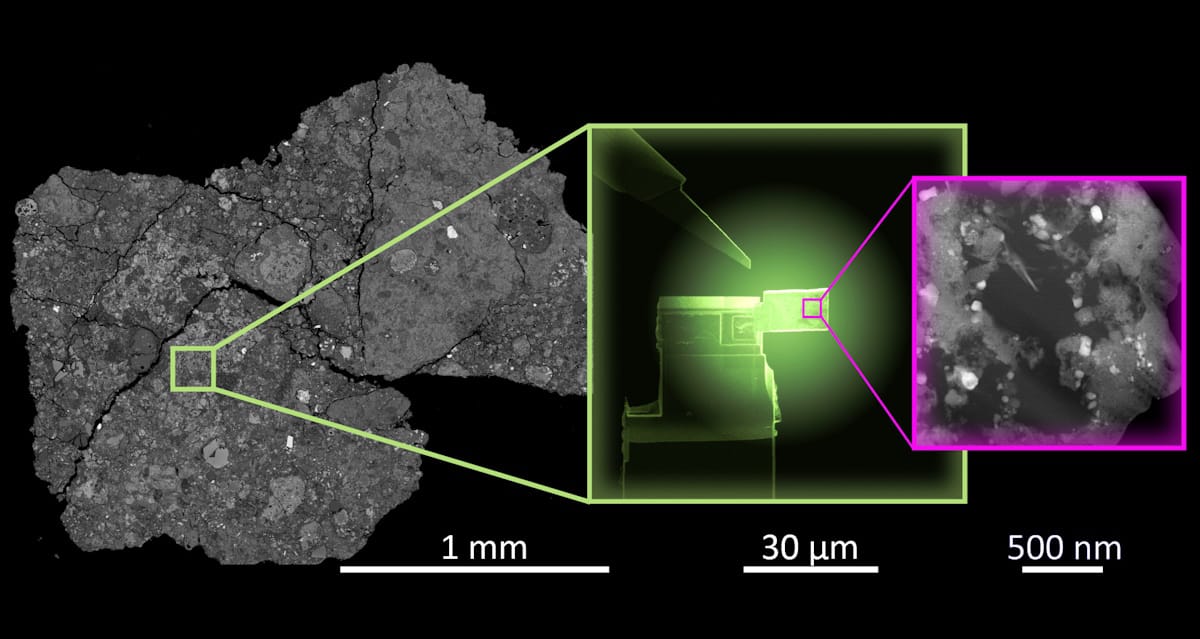
Meteorite analysis Illustration showing how an extremely thin slice of the Winchcombe meteorite, targeting a region-of-interest rich in carbon-containing chemicals, can be precisely extracted for examination using either an X-ray beam (at Diamond Light Source) or the electron microscope (at SuperSTEM). (Courtesy: D M Kepaptsoglou, SuperSTEM)

The meteorite that fell on a Gloucestershire driveway in 2021 contained amino acids and nucleobases that could be precursors to the chemical building blocks of life on Earth, according to analysis using a new electron microscopy technique.

Radio pioneers: the enduring role of ‘amateurs’ in radio astronomy


Radio pioneers: the enduring role of ‘amateurs’ in radio astronomy

23 Jan 2024 James Dacey


In the latest Physics World Stories podcast, astrophysicist Emma Chapman is in conversation with host Andrew Glester about the history of radio astronomy. It’s a field that has always maintained a do-it-yourself ethic, with valuable contributions from people outside the established academic community.

Chapman, an astrophysicist at the University of Nottingham in the UK is the author of the popular-science book First Light: Switching on Stars at the Dawn of Time. Alongside her research, Chapman regularly visits amateur radio astronomy clubs and admires the technical expertise she encounters among members.

Dark matter vs modified gravity: which team are you on?


Dark matter vs modified gravity: which team are you on?

26 Feb 2024 James Dacey


Coke or Pepsi? Messi or Ronaldo? Taylor Swift or…well, without wanting to set the Swifties against Physics World, let’s just say there’s often a tribal element to who we support or the choices we make.

In the world of cosmology, one heated divide is whether you’re for dark matter or modified Newtonian dynamics (MOND). Both theories attempt to explain the discrepancies between the predicted gravitational effects in the universe and some of the actual observed motions of stars and galaxies.

Atlantic current circulation could shut down, say climate scientists


Atlantic current circulation could shut down, say climate scientists

20 Feb 2024 Isabelle Dumé


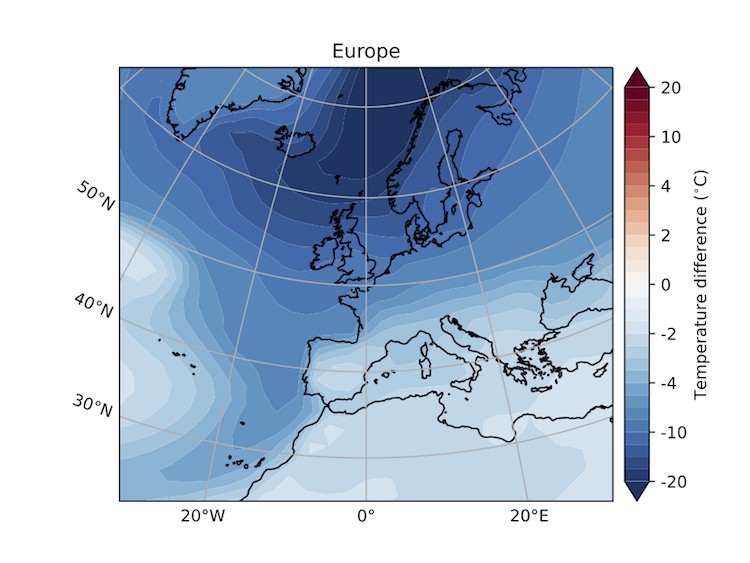
Northern exposure: This map of the annual two-metre surface temperatures in Europe and North Africa depicts the likely climate impact of a collapse in the Atlantic meridional overturning circulation (AMOC). (Courtesy: R van Westen)

The collapse of the main ocean current that keeps Europe warmer than other regions at similar latitudes is a real possibility, say researchers at Utrecht University in the Netherlands – though they remain unsure when it might happen. The researchers based their conclusions on a modern complex physics-based climate model that incorporates the gradual melting of ice sheets, and they say that the collapse, when it occurs, could have far-reaching consequences not only for Europe, but for the southern hemisphere, where temperatures could rise without the current’s heat-distributing effects.