Αναζήτηση αναρτήσεων

Παρασκευή 20 Φεβρουαρίου 2026

HTTPS://BOOKS.BY/BOOKSINTERNATIONAL

THE LINK TO HAVE A LOOK AT MY BOOKSTORE IN BOOKS.BY IS:

HTTPS://BOOKS.BY/BOOKSINTERNATIONAL IF YOU ARE INTERESTED IN MY BOOKS, YOU CAN ALSO BUY THEM.

CERN upgrade to LHCb experiment threatened by UK funding cuts


CERN upgrade to LHCb experiment threatened by UK funding cuts

09 Feb 2026 Michael Banks
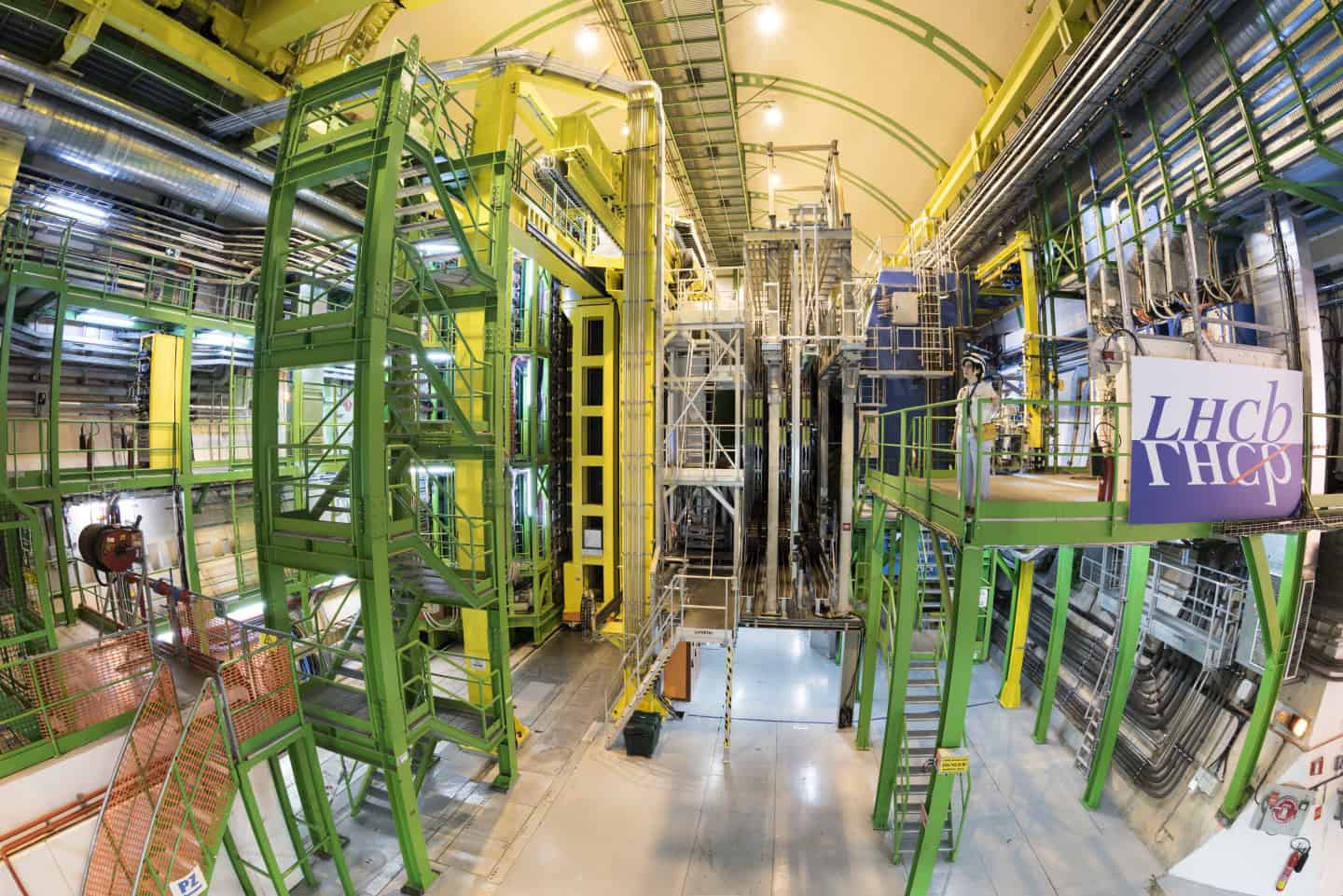
LHCb experiment at CERN
A major upgrade to the LHCb experiment at CERN is unlikely to go ahead if cuts are not reversed. (Courtesy: Brice, Maximilien/CERN)
A major upgrade to the LHCb experiment at CERN is under threat after the UK did not commit any further contributions towards the project. The decision by the UK Research and Innovation (UKRI) to defund the plan means that, unless the decision is overturned, the experiment will now likely finish operation in 2033.

LHCb is one of the four large experiments based at the Large Hadron Collider (LHC) at CERN. It specializes in measuring the parameters of charge-parity (CP) violation in the interactions of b- and c-hadrons, studies that help explain the matter-antimatter asymmetry in the universe.

Giant barocaloric cooling effect offers a new route to refrigeration


Giant barocaloric cooling effect offers a new route to refrigeration

17 Feb 2026 Isabelle Dumé
Schematic diagram showing the structure of the barocaloric solution. Blue ovals labelled
Chilling effect: Dissolving ammonium thiocyanate in water is a highly endothermic process and contributes to the barocaloric cycle demonstrated in this experiment. (Courtesy: B Li)
A new cooling technique based on dissolution barocaloric cooling could provide an environmentally friendly alternative to existing refrigeration methods. With a cooling capacity of 67 J/g and an efficiency of nearly 77%, the method developed by researchers from the Institute of Metal Research of the Chinese Academy of Sciences can reduce the temperature of a sample by 27 K in just 20 seconds – far more than is possible with standard barocaloric materials.

Metasurfaces create super-sized neutral atom arrays for quantum computing


Metasurfaces create super-sized neutral atom arrays for quantum computing

06 Feb 2026 Isabelle Dumé
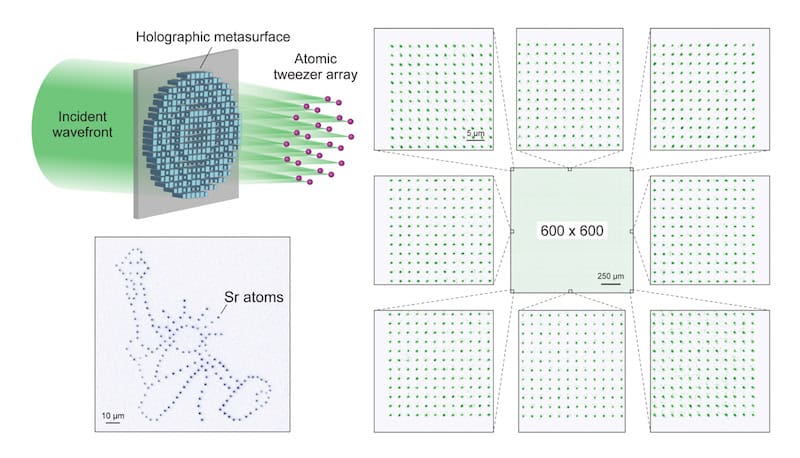
Schematic diagram of the beam arrangement, a set of atom traps arranged in a 2D shape resembling the Statue of Liberty, and a 600 × 600 array of optical tweezers
Atom tamers. Top left: Schematic of how a metasurface shapes a single beam of light into multiple tightly focused beams in a single step. These beams form a series of optical tweezers to trap individual atoms into arrays with arbitrary geometry. Bottom left: Statue of Liberty pattern, assembled out of atoms trapped in metasurface-generated optical tweezers. Right: Image of a 600 × 600 array with 360,000 optical tweezers, generated with an especially designed and fabricated optical metasurface. (Courtesy: Will and Yu labs, Columbia University)
A new way of creating arrays of ultracold neutral atoms could make it possible to build quantum computers with more than 100,000 quantum bits (qubits) – two orders of magnitude higher than today’s best machines. The approach, demonstrated by physicists at Columbia University in the US, uses optical metasurfaces to generate the forces needed to trap and manipulate atoms. According to its developers, this method is much more scalable than traditional techniques for generating arrays of atomic qubits.

“Neutral atom arrays have become a leading quantum technology, notably for quantum computing, where single atoms serve as qubits,” explains atomic physicist Sebastian Will, who co-led the study with his Columbia colleague Nanfang Yu. “However, the technology available so far to make these arrays limits array sizes to about 10,000 traps, which corresponds to a maximum of 10,000 atomic qubits.”

Electric field treatment restores movement to rats with spinal injuries


Electric field treatment restores movement to rats with spinal injuries

04 Jul 2025 Tami Freeman
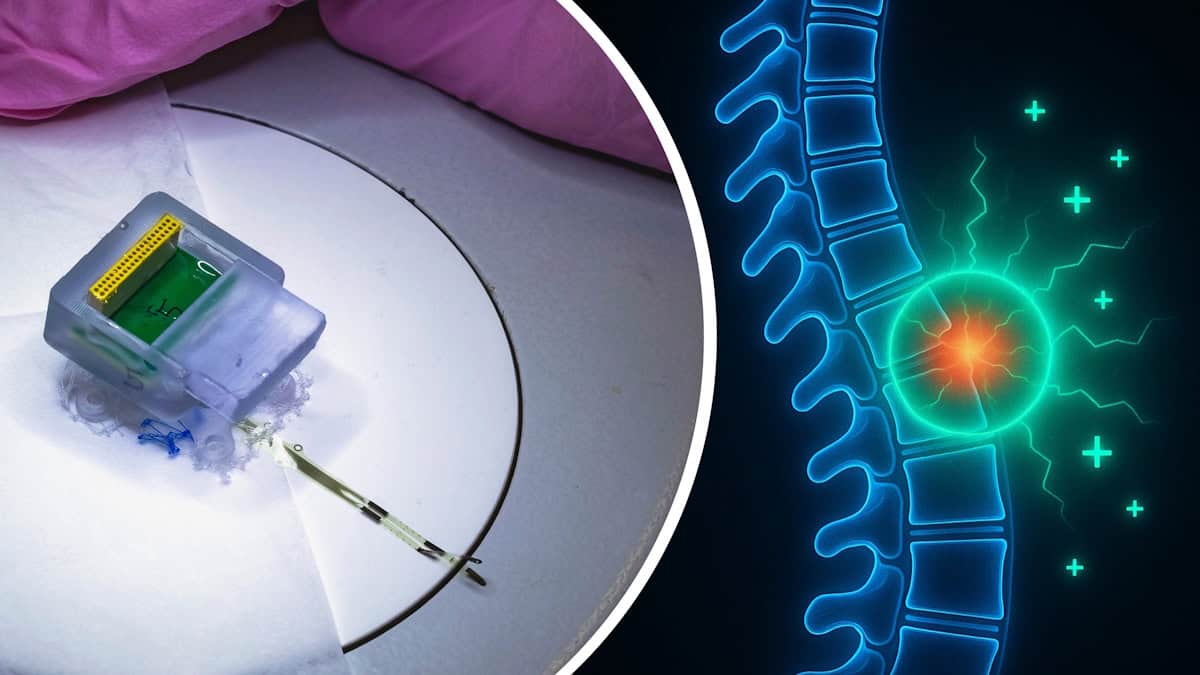
Ultrathin bioelectric implant
Safe and effective. An ultrathin implant placed directly on the spinal cord delivers a carefully controlled electrical current across the injured area. This electrical field treatment improved recovery in rats with spinal cord injuries, enabling them to regain movement and sensation. (Courtesy: University of Auckland)
Damage to the spinal cord can disrupt communication between the brain and body, with potentially devastating effects. Spinal cord injuries can cause permanent loss of sensory, motor, and autonomic functions, or even paralysis, and there’s currently no cure. To address this inadequacy, researchers at Chalmers University of Technology in Sweden and the University of Auckland in New Zealand have developed an ultrathin bioelectric implant that improved movement in rats with spinal cord injuries.

The implant works by delivering a low-frequency pulsed electric field (EF) across the injury site – an approach that shows promise in promoting regeneration of axons (nerve fibres) and improving outcomes.

Implanted electrodes provide intuitive control of the prosthetic hand


FROM PHYSICSWORLD.COM 20/2/2026

Implanted electrodes provide intuitive control of the prosthetic hand

04 Feb 2026 Tami Freeman
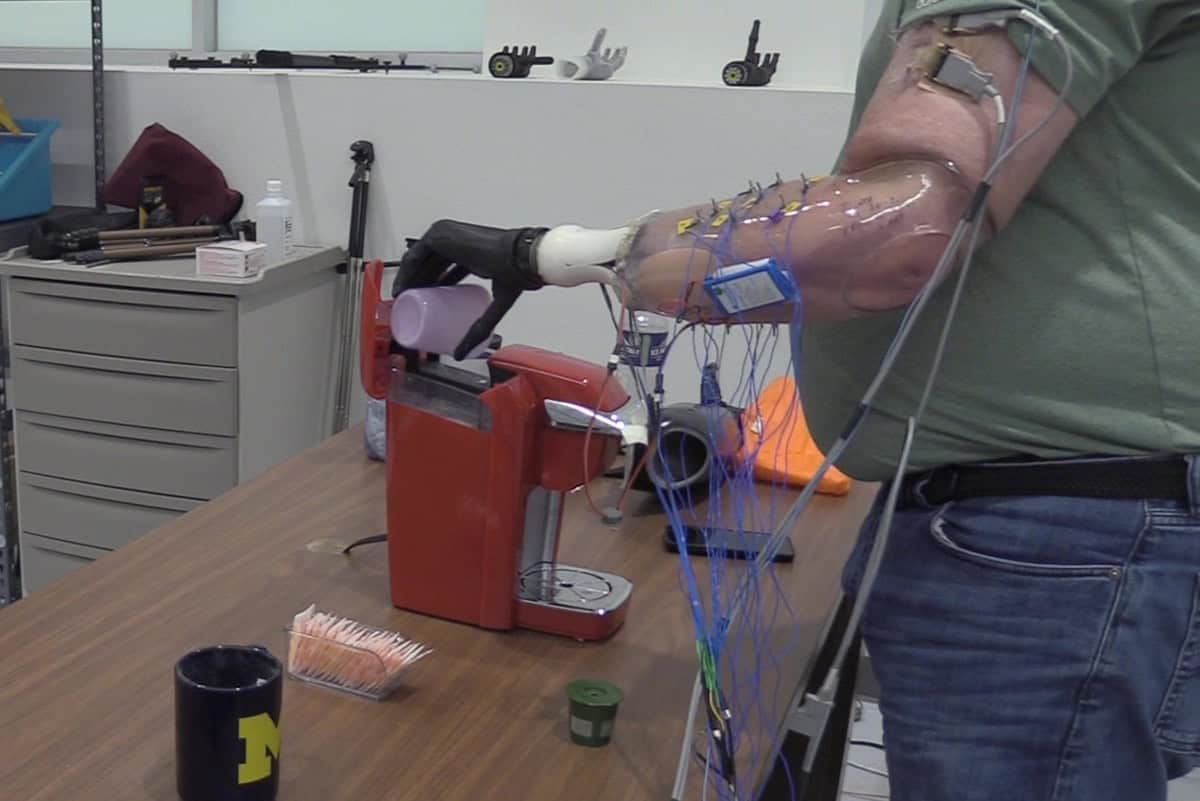
A study participant performing the Coffee Task using a prosthetic hand
Functional assessment: A study participant performs the Coffee Task using a myoelectric prosthetic hand controlled by implanted electrodes and with wrist rotation control. (Courtesy: J. Neural. Eng. 10.1088/1741-2552/ae36d2)

Loss of a limb can significantly impact a person’s independence and quality-of-life, with arm amputations particularly impeding routine daily activities. Prosthetic limbs can restore some lost function but often rely on surface electrodes with low signal quality. A research team at the University of Michigan has now shown that implanted electrodes could provide more accurate and reliable control of hand and wrist prostheses.

Today, most upper-limb prostheses are controlled using surface electrodes placed on the skin to detect electrical activity from underlying muscles. The recorded electromyography (EMG) signals are then used to classify different finger and wrist movements. Under real-world conditions, however, these signals can be compromised by inconsistent electrode placement, changes in limb volume, sweat exposure, and artefacts from user movements.

New quantum-enabled proteins could improve biosensing


New quantum-enabled proteins could improve biosensing

12 Feb 2026
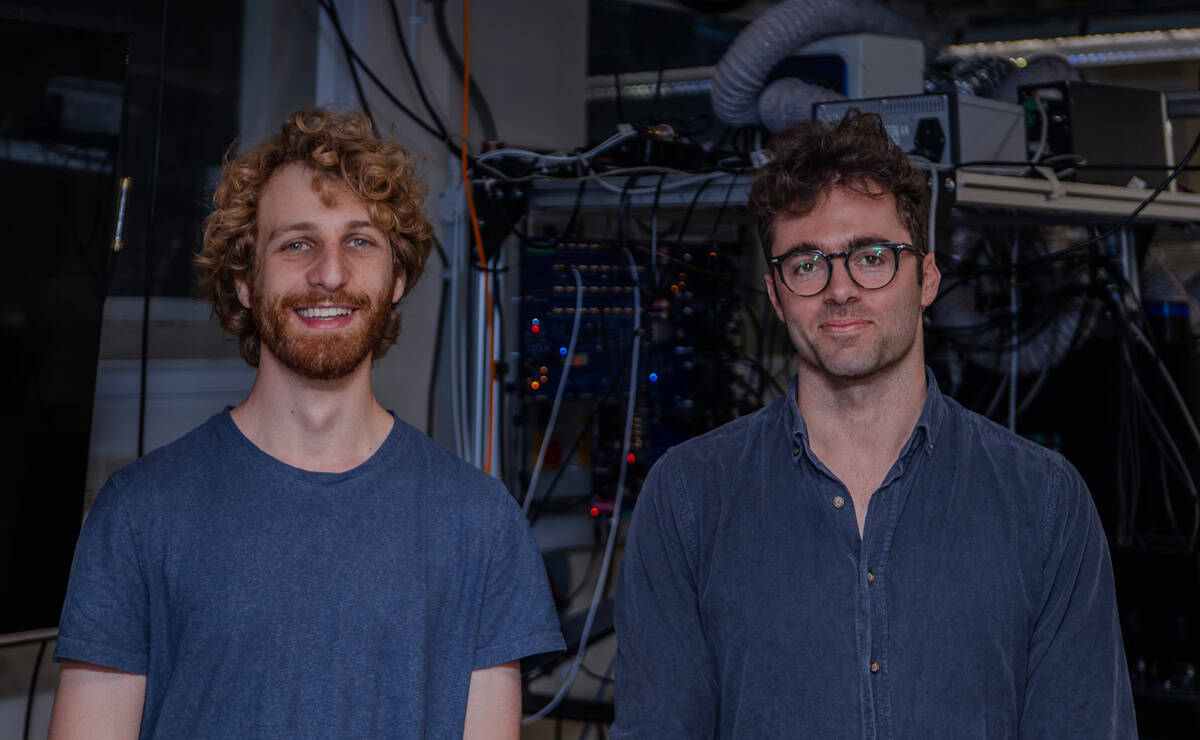
Gabriel Abrahams and Harrison Steel
Biotech researchers First author Gabriel Abrahams and senior author Harrison Steel are part of a team at the University of Oxford developing magneto-sensitive fluorescent proteins. (Courtesy: Olivia Gaskin)
A new class of biomolecules, called magneto-sensitive fluorescent proteins (MFPs), could improve the imaging of biological processes within living cells and potentially underpin innovative therapies.

The fluorescent proteins commonly used in biological studies respond only to light shining on them. But because that light gets scattered by tissues, there are inaccuracies in determining exactly where the resulting fluorescence originates. By contrast, the MFPs created by a team led by Harrison Steel, head of the Engineered Biotechnology Research Group at the University of Oxford in the UK, fluoresce partly in response to highly predictable magnetic fields and radio waves that pass through biological tissues without deflection. Sensor schematic. An MFP excited by blue light emits green fluorescence, the intensity of which can be modulated by applying appropriate magnetic or radiofrequency fields. (Courtesy: Gabriel Abrahams)

Astronomer Daniel Jaffe named president of the Giant Magellan Telescope project


Astronomer Daniel Jaffe named president of the Giant Magellan Telescope project

16 Jan 2026 Michael Banks
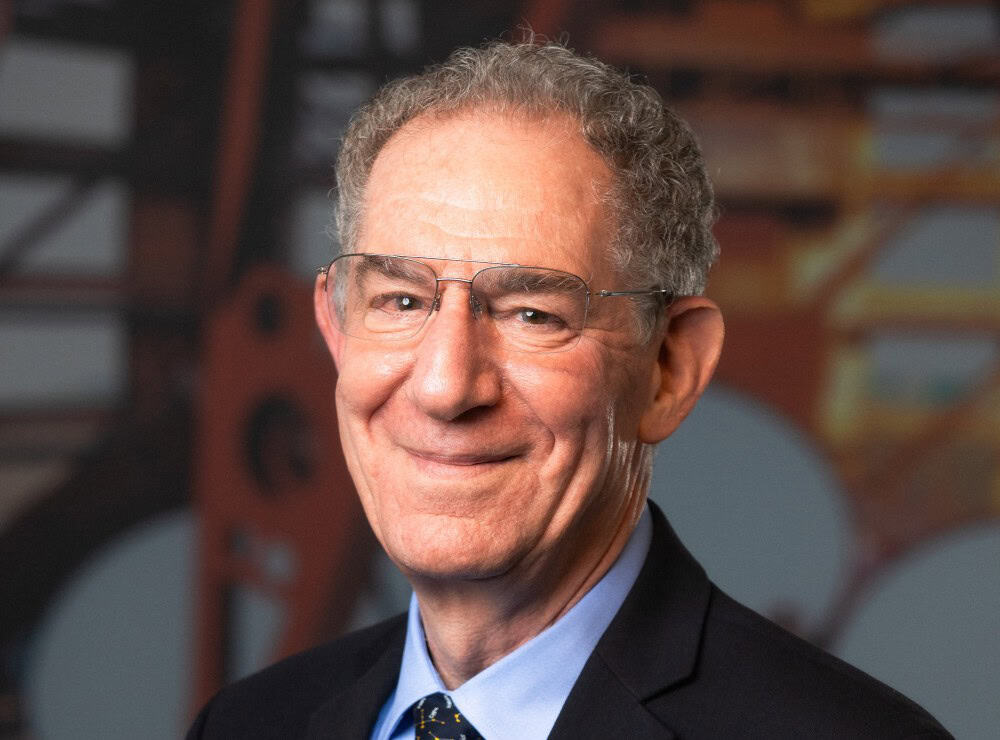
Daniel Jaffe
Astronomer Daniel Jaffe has been appointed the next president of the Giant Magellan Telescope Corporation – the international consortium building the $2.5bn Giant Magellan Telescope (GMT). He succeeds Robert Shelton, who announced his retirement last year after eight years in the role.

European Space Agency unveils first images from Earth-observation ‘sounder’ satellite


European Space Agency unveils first images from Earth-observation ‘sounder’ satellite

27 Jan 2026 Michael Banks
clouds over Europe and Africa
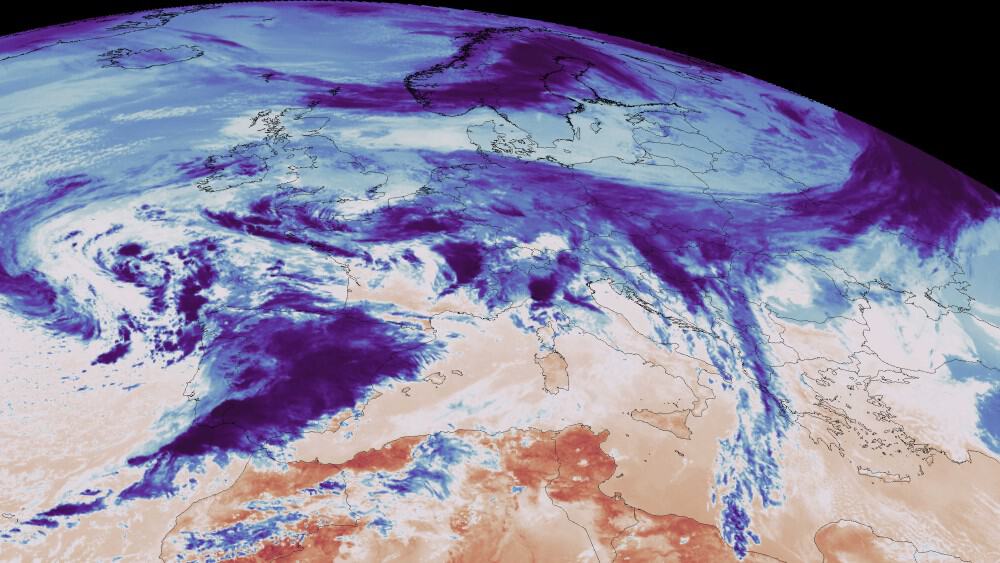
Eye in the sky. Data from the Meteosat Third Generation-Sounder satellite will help improve the accuracy of weather forecasting. (Courtesy: EUMETSAT)
The European Space Agency has released the first images from the Meteosat Third Generation-Sounder (MTG-S) satellite. They show variations in temperature and humidity across Europe and northern Africa in unprecedented detail, with further data from the mission set to improve weather-forecasting models and air-quality measurements over Europe.

Launched on 1 July 2025 from the Kennedy Space Center in Florida aboard a SpaceX Falcon 9 rocket, MTG-S operates from a geostationary orbit, about 36,000 km above Earth’s surface, and is able to provide coverage of Europe and part of northern Africa on a 15-minute repeat cycle.

‘Relief’ as an industrial megaproject in Chile that threatened the world’s darkest skies is cancelled


‘Relief’, as an industrial megaproject in Chile that threatened the world’s darkest skies,s is cancelled

11 Feb 2026
ESO’s Paranal Observatory in Chile’s Atacama Desert
Danger averted: the green hydrogen and ammonia project could have increased light pollution at ESO’s Paranal Observatory in Chile’s Atacama Desert. (Courtesy: A Ghizzi Panizza/ESO)
A proposed industrial-scale green hydrogen and ammonia project in Chile that astronomers warned could cause “irreparable damage” to the clearest skies in the world has been cancelled. The decision by AES Andes, a subsidiary of the US power company AES Corporation, to shelve plans for the INNA complex has been welcomed by the European Southern Observatory (ESO).

AES Andes submitted an Environmental Impact Assessment for the green hydrogen project in December 2024. Expected to cover more than 3000 hectares, it would have been located just a few kilometres from ESO’s Paranal Observatory in Chile’s Atacama Desert, which is one of the world’s most important astronomical research sites due to its stable atmosphere and lack of light pollution.

A black hole is born with an infrared whimper


A black hole is born with an infrared whimper

13 Feb 2026
Illustration of a newly formed black hole
Fade to black. Artist’s impression of a star that has collapsed to a black hole. The black hole is at the centre, unseen. It is surrounded by a dust shell moving away from the black hole and gas being pulled toward it. (Courtesy: Keith Miller, Caltech/IPAC – SELab)
A faint flash of infrared light in the Andromeda galaxy was emitted at the birth of a stellar-mass black hole, according to a team of astronomers in the US. Kishalay De at Columbia University and the Flatiron Institute, and colleagues, noticed that the flash was followed by the rapid dimming of a once-bright star. They say that the star collapsed, with almost all of its material falling into a newly forming black hole. Their analysis suggests that there may be many more such black holes in the universe than previously expected.

When a massive star runs out of fuel for nuclear fusion, it can no longer avoid gravitational collapse. As it implodes, such a star is believed to emit an intense burst of neutrinos, whose energy can be absorbed by the star’s outer layers.

Samples from the far side of the Moon shed light on lunar asymmetry


Samples from the far side of the Moon shed light on lunar asymmetry

10 Feb 2026 Isabelle Dumé
Diagram showing a meteor crashing into the Moon, triggering an upwelling of magma and leaving a huge crater
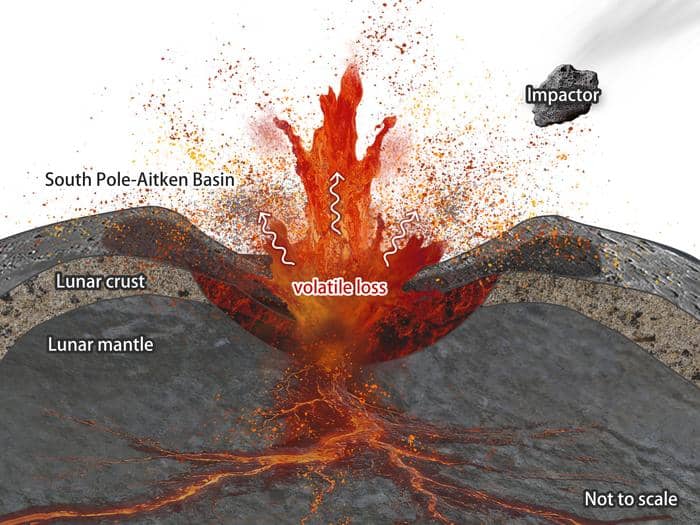
Big crash: Illustration of a meteorite impact forming the South Pole-Aitken Basin on the Moon's far side, causing melting of the crust and mantle and evaporation of volatile elements. (Courtesy: Heng-Ci Tian)
The near and far sides of the Moon are very different in their chemical composition, their magmatic activity, and the thickness of their crust. The reasons for this difference are not fully understood, but a new study of rocks brought back to Earth by China’s Chang’e-6 mission has provided the beginnings of an answer. According to researchers at the Chinese Academy of Sciences (CAS) in Beijing, who measured iron and potassium isotopes in four samples from the Moon’s gigantic South Pole-Aitken Basin (SPA), the discrepancy likely stems from the giant meteorite impact that created the basin.

2D materials help spacecraft electronics resist radiation damage


2D materials help spacecraft electronics resist radiation damage

18 Feb 2026 Isabelle Dumé
Composite image showing a spacecraft launch, a diagram of circuits, and an excerpt from the sheet music of the
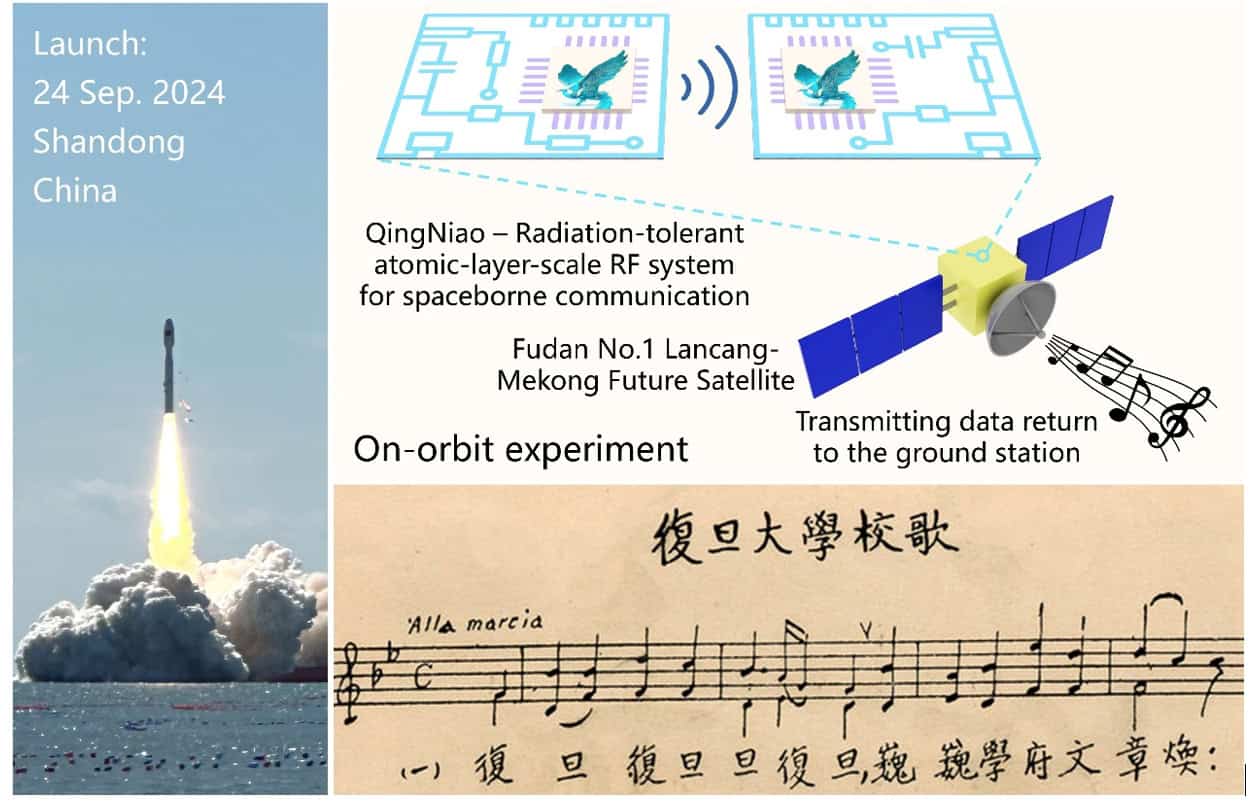
Flight tests: The team studied the behaviour of the radiation-tolerant atomic-layer-scale spaceborne communication system aboard the Fudan No. 1 Lancang-Mekong Future satellite, which launched in 2024. Their tests included using the system to beam an excerpt of the Anthem of Fudan University back to Earth as an example of signal transmission. (Courtesy: P Zhou)
Electronics made from certain atomically thin materials can survive harsh radiation environments up to 100 times longer than traditional silicon-based devices. This finding, from researchers at Fudan University in Shanghai, China, could bring significant benefits to satellites and other spacecraft, which are prone to damage from intense cosmic radiation.

Cosmic radiation consists of a mixture of heavy ions and high-energy protons, electrons, and atomic nuclei. The Earth’s magnetic field protects us from 99.9% of this ionizing radiation, and our atmosphere significantly attenuates the rest. Space-based electronics, however, have no such protection, and this radiation can damage or even destroy them.

Metallic material breaks 100-year thermal conductivity record


Metallic material breaks 100-year thermal conductivity record

19 Feb 2026 Isabelle Dumé
Three images, labelled 0.1 ps, 1 ps and 10 ps. The 0.1 ps image shows a red blob surrounded by a white ring against a blue background. In the 1 ps image, the red blob and white ring are bigger. In the 10 ps image, the red blob and white ring take up nearly the whole frame, leaving little of the blue background showing.
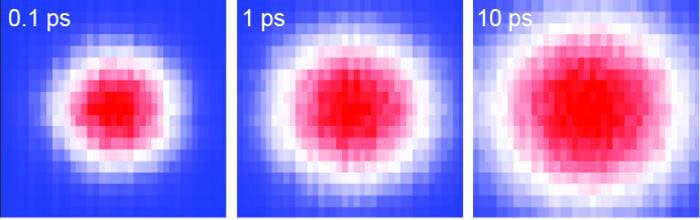
Great conductor: A sequence showing how thermal energy, which is carried by electrons, spreads through theta-phase tantalum nitride after the metallic material is struck by a pulse of light, from 0.1 to 10 picoseconds. (Courtesy: H-Lab/UCLA)
A newly identified metallic material that conducts heat nearly three times better than copper could redefine thermal management in electronics. The material, known as theta-phase tantalum nitride (θ-TaN), has a thermal conductivity comparable to that of low-grade diamond, and its discoverers at the University of California, Los Angeles (UCLA), US, say it breaks a record for heat transport in metals that had stood for more than 100 years.

Semiconductors and insulators mainly carry heat via vibrations, or phonons, in their crystalline lattices. A notable example is boron arsenide, a semiconductor that the UCLA researchers previously identified as also having a high thermal conductivity.

World’s smallest QR code paves the way for ultralong-life data storage


World’s smallest QR code paves the way for ultralong-life data storage

20 Feb 2026 Tami Freeman
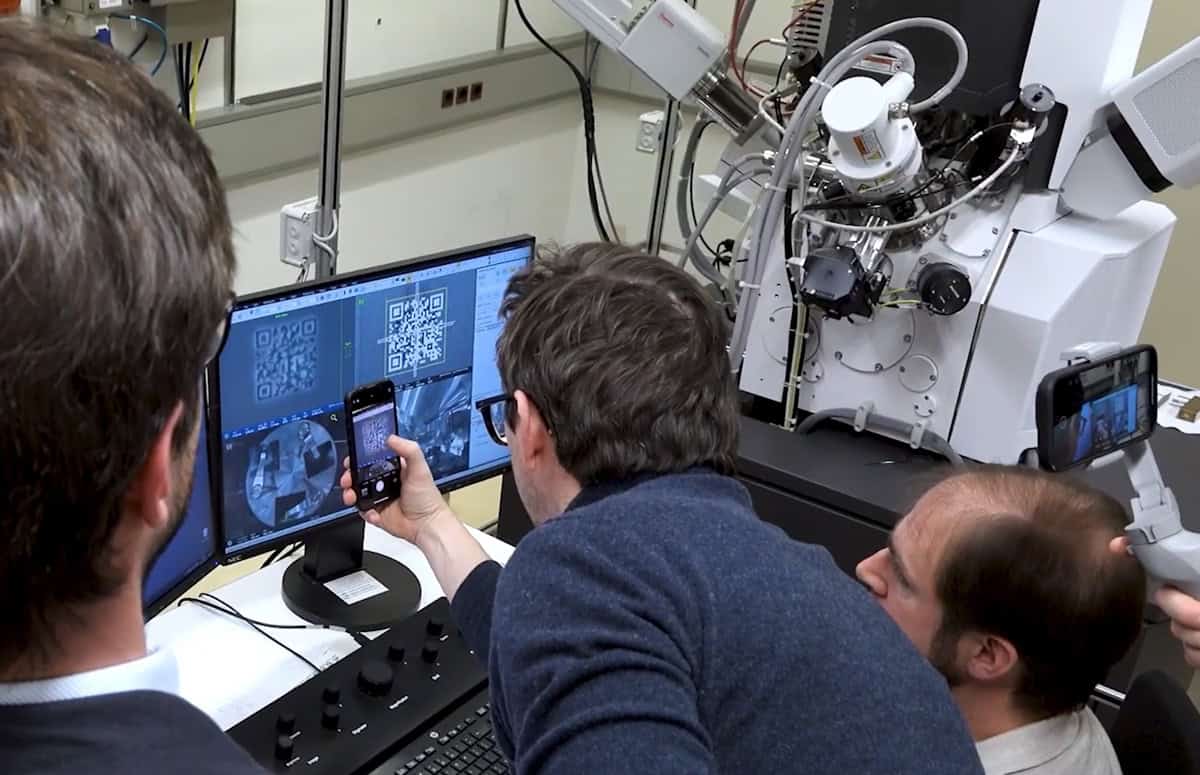
Testing the QR code
Record breaker: The researchers test the QR code during their successful world record attempt. (Courtesy: TU Wien)
A team headed up at TU Wien in Austria has set the Guinness World Record for creating the world’s smallest QR code. Working with industry partner Cerabyte, the researchers produced a stable and repeatedly readable QR code with an area of just 1.977 µm2. When read out using an electron microscope, as its structure is too fine to be seen with a standard optical microscope, the QR code links to a scientific webpage at TU Wien.

But this wasn’t just a ploy to get into the record books; the QR code was created as part of the team’s research into ceramic data storage materials. Unlike conventional magnetic or electronic data storage media, which degrade within decades, ceramic-based storage is designed to withstand extreme temperatures, radiation, chemical corrosion, and mechanical damage.

Σάββατο 7 Φεβρουαρίου 2026

Why Does Antimatter EXIST AT ALL? Feynman’s Answer Will SHATTER Your Reality


Why Does Antimatter EXIST AT ALL? Feynman’s Answer Will SHATTER Your Reality

Feynman Explains The ‘God Particle’ Like NO ONE Else Can


Feynman Explains The ‘God Particle’ Like NO ONE Else Can

Why Can't You Walk Through WALLS? — Feynman's Answer Will COLLAPSE Your Understanding


Why Can't You Walk Through WALLS? — Feynman's Answer Will COLLAPSE Your Understanding

Why Does Space Expand? My Answer Will DESTROY Your Reality


Why Does Space Expand? My Answer Will DESTROY Your Reality

Feynman Explains Why Nothing Ever Truly Comes to Rest


Feynman Explains Why Nothing Ever Truly Comes to Rest

Can the Universe Be Explained in 3 Hours? Feynman’s Ultimate Deep Dive || Learn With Feynman


 Can the Universe Be Explained in 3 Hours? Feynman’s Ultimate Deep Dive || Learn With Feynman

Black Holes Explained Clearly with Richard Feynman


 Black Holes Explained Clearly with Richard Feynman

Why Does Water FREEZE? Feynman's Answer Will DESTROY Your Reality


 Why Does Water FREEZE? Feynman's Answer Will DESTROY Your Reality

Feynman Explains Why the Past Still Exists Right Now?


Feynman Explains Why the Past Still Exists Right Now?

Feynman Explains Why and How Magnets Work?


 Feynman Explains Why and How Magnets Work?

Understanding Gravity with Richard Feynman


 Understanding Gravity with Richard Feynman

24 Minutes of Richard Feynman Explaining Force | The Hidden Rules Behind Motion


 24 Minutes of Richard Feynman Explaining Force | The Hidden Rules Behind Motion

Feynman Explains Why light does not move


Feynman Explains Why light does not move
 

Πέμπτη 5 Φεβρουαρίου 2026

Saving the Titanic: the science of icebergs and unsinkable ships


Saving the Titanic: the science of icebergs and unsinkable ships

30 Jan 2026 Margaret Harris
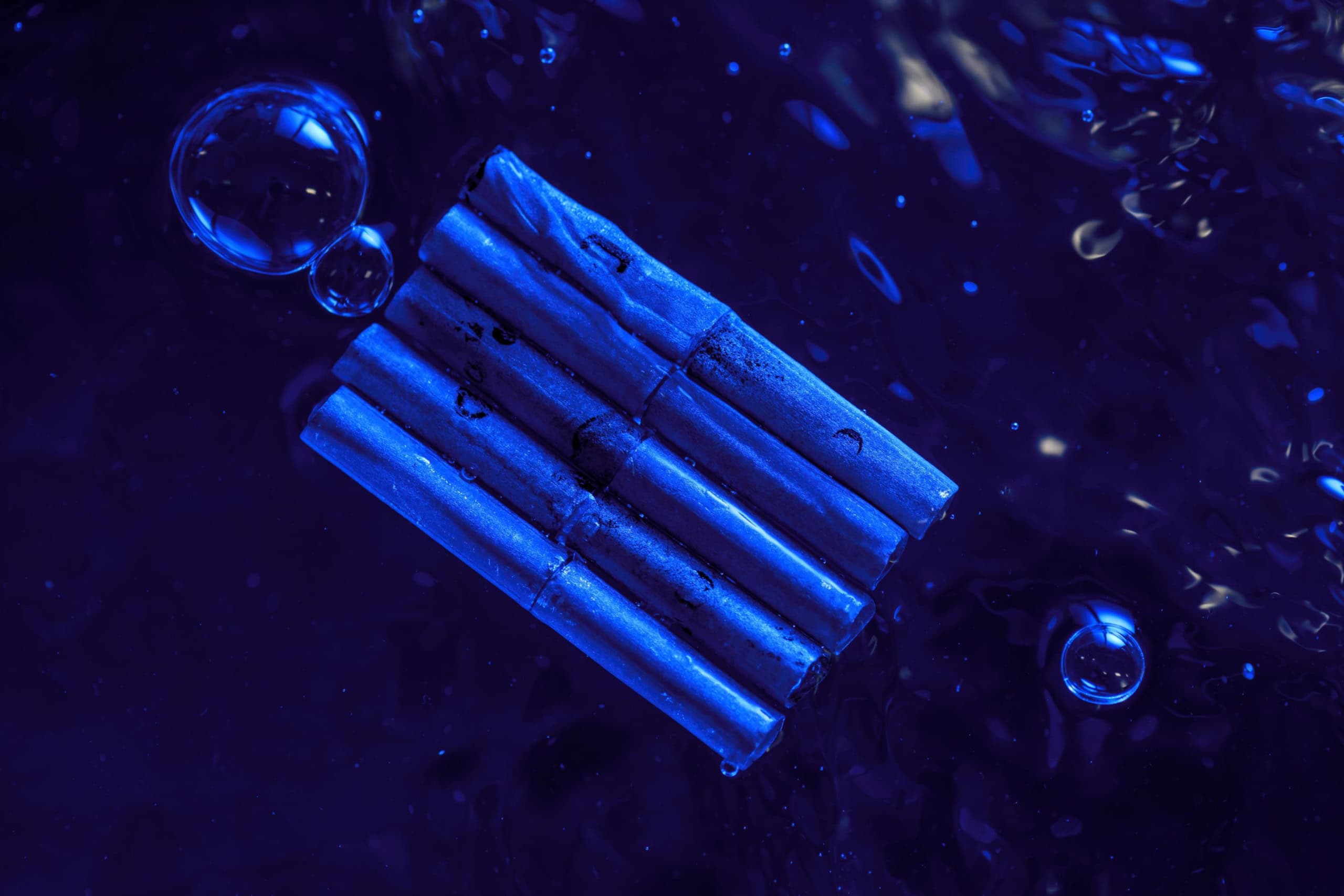
Photo showing a raft of six battered-looking metal tubes floating on the surface of a water. Everything is bathed in blue light and a few bubbles are present.
Out of the depths: Multiple unsinkable metal tubes linked together in a raft formation could be the basis for the ships, buoys, and floating platforms of the future. (Courtesy: University of Rochester photo / J Adam Fenster)
When the Titanic was built, her owners famously described her as “unsinkable”. A few days into her maiden voyage, an iceberg in the North Atlantic famously proved them wrong. But what if we could make ships that really are unsinkable? And what if we could predict exactly how long a hazardous iceberg will last before it melts?

These are the premises of two separate papers published independently this week by Chunlei Guo and colleagues at the University of Rochester, and by Daisuke Noto and Hugo N Ulloa of the University of Pennsylvania, both in the US. The Rochester group’s paper, which appears in Advanced Functional Materials, describes how applying a superhydrophobic coating to an open-ended metallic tube can make it literally unsinkable – a claim supported by extensive tests in a water tank. Noto and Ulloa’s research, which they describe in Science Advances, likewise involved a water tank.

Extra carbon in the atmosphere may disrupt radio communications


Extra carbon in the atmosphere may disrupt radio communications

02 Dec 2025 Isabelle Dumé
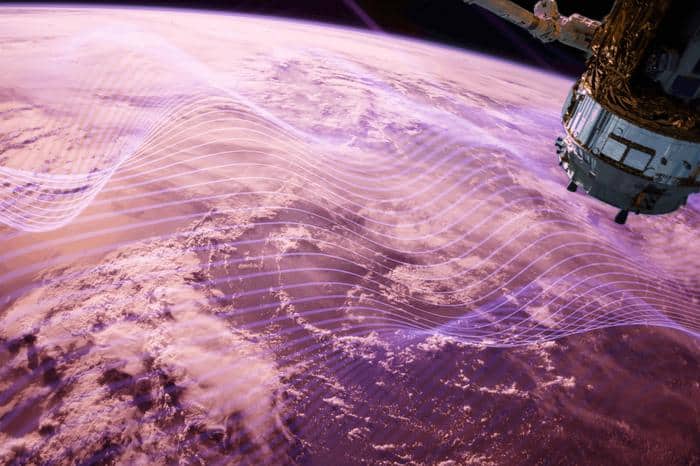
photo of satellite above Earth showing a visualization of radio waves in the ionosphere
Radio waves in the ionosphere. Photo of the Earth with radio waves, depicted in purple, flowing across it. HF and VHF waves travel through the ionosphere, but a phenomenon called sporadic-E can interfere with these frequencies. (Courtesy: Huixin Liu/Kyushu University)
Higher levels of carbon dioxide (CO2) in the Earth’s atmosphere could harm radio communications by enhancing a disruptive effect in the ionosphere. According to researchers at Kyushu University, Japan, who modelled the effect numerically for the first time, this little-known consequence of climate change could have significant impacts on shortwave radio systems such as those employed in broadcasting, air traffic control, and navigation.

“While increasing CO2 levels in the atmosphere warm the Earth’s surface, they actually cool the ionosphere,” explains study leader Huixin Liu of Kyushu’s Faculty of Science. “This cooling doesn’t mean it is all good: it decreases the air density in the ionosphere and accelerates wind circulation. These changes affect the orbits and lifespan of satellites and space debris and also disrupt radio communications through localized small-scale plasma irregularities.”