![]() |
Αναζήτηση αναρτήσεων
Σάββατο 27 Δεκεμβρίου 2025
Why Photons Carry Energy Without Having Mass | Sleepy Scientist Stories
The mind-bending reality of quantum mechanics - with Jim Al Khalili
Solving the secrets of gravity - with Claudia de Rham
Πέμπτη 25 Δεκεμβρίου 2025
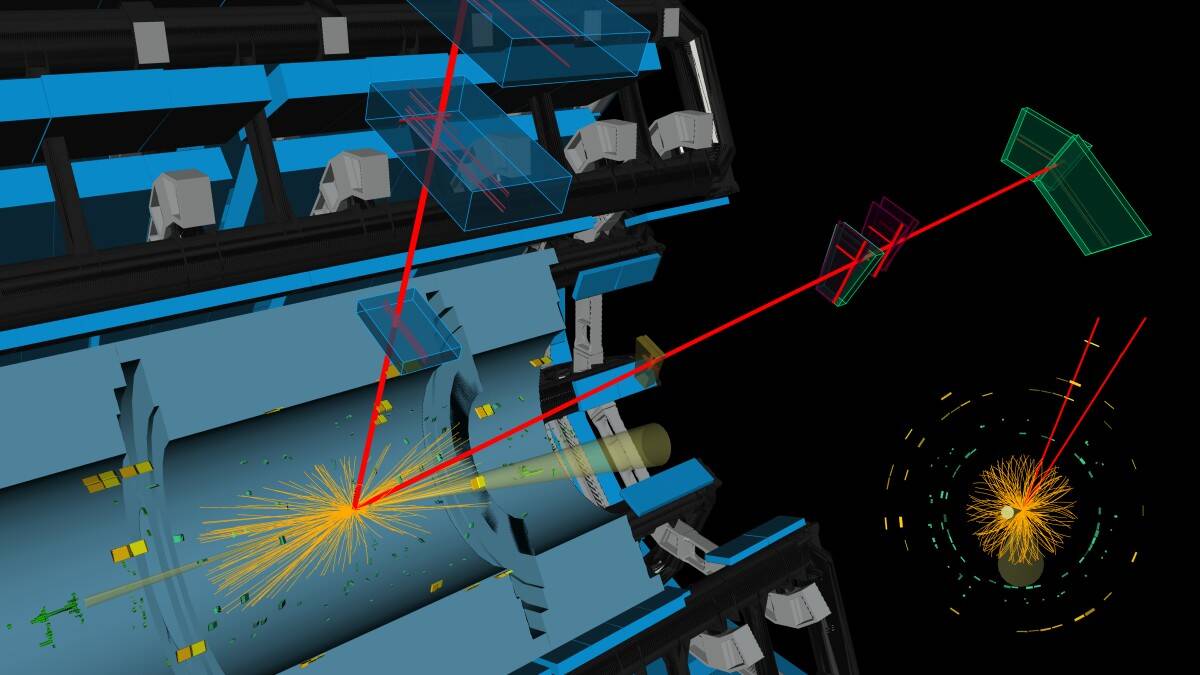
Higgs decay to muon–antimuon pairs sheds light on the origin of mass
Environmental physics should be on a par with quantum physics or optics
As climate change intensifies, environmental physics must be taught to every physics undergraduate, explains Peter Hughes
![]() |
Slow spectroscopy sheds light on photodegradation
![]() |
Physicists take ‘snapshots’ of quantum gases in continuous space
![]() |
Can we compare Donald Trump’s health chief to Soviet science boss Trofim Lysenko?
U.S. Health Secretary Robert F. Kennedy Jr. has led attacks on US science. But can he really, as Robert P Crease wonders, be compared to Stalin’s feared science administrator, Trofim Lysenko?
![]() |
Oscar-winning computer scientist on the physics of computer animation
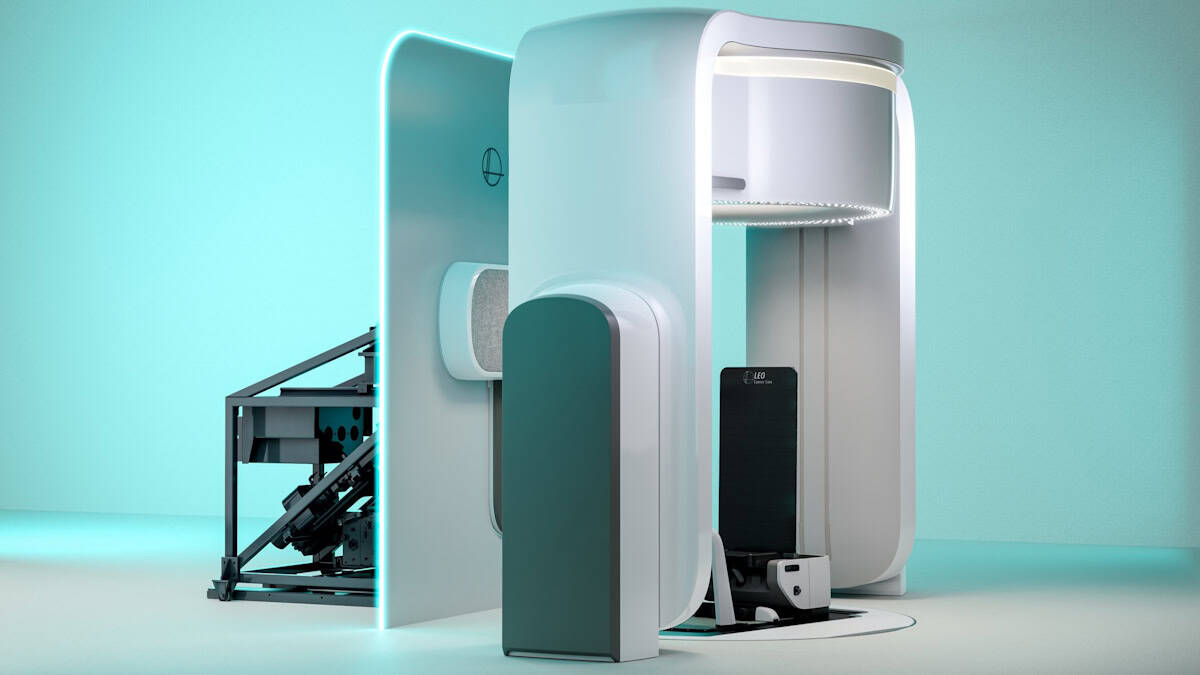
Leo Cancer Care launches first upright photon therapy system
![]() |
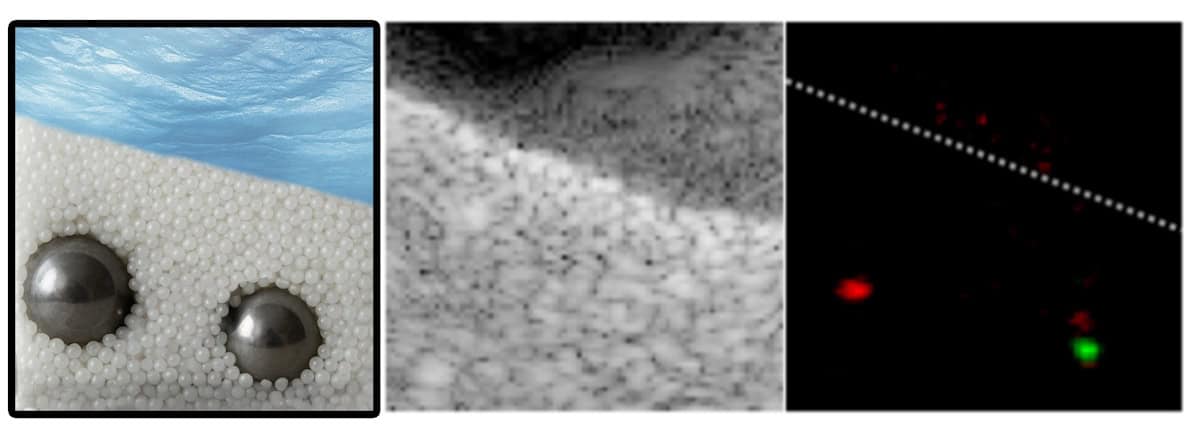
The fingerprint method can detect objects hidden in complex scattering media
![]() |
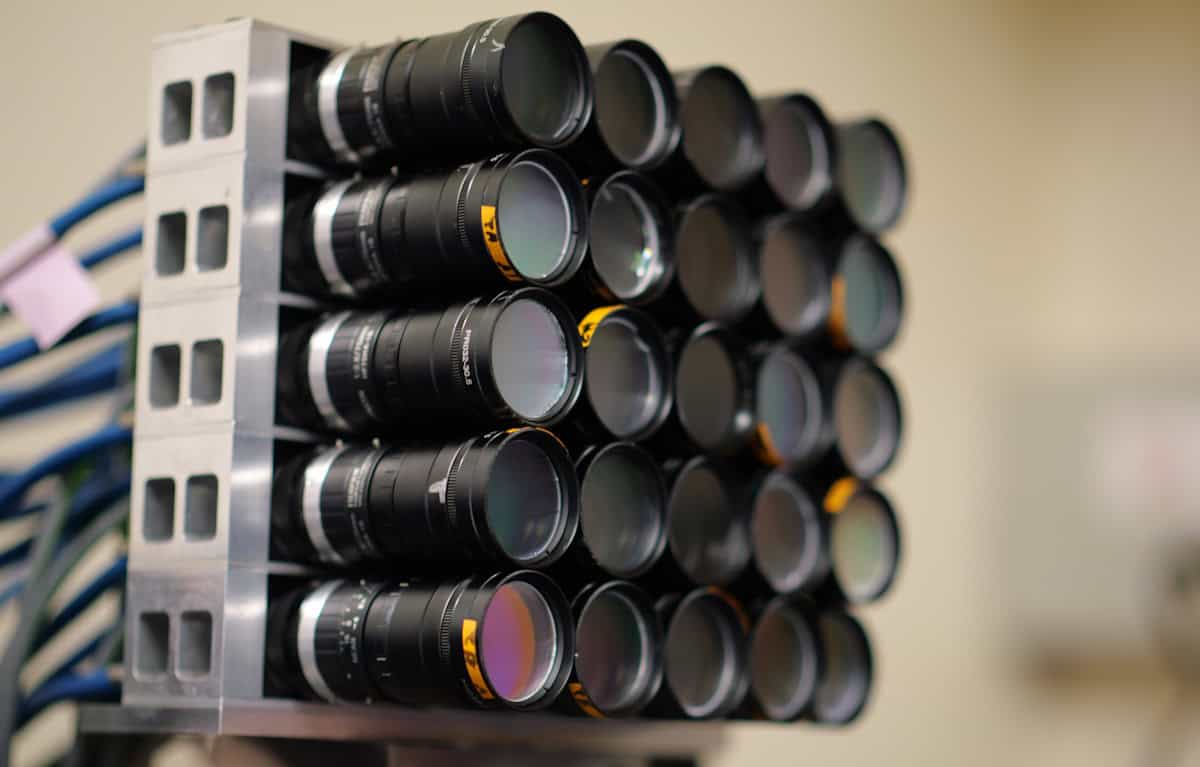
High-speed 3D microscope improves live imaging of fast biological processes 12 Sep 2025
High-speed 3D microscope improves live imaging of fast biological processes
![]() |
Astronauts could soon benefit from a dissolvable eye insert
Juno: the spacecraft that is revolutionizing our understanding of Jupiter
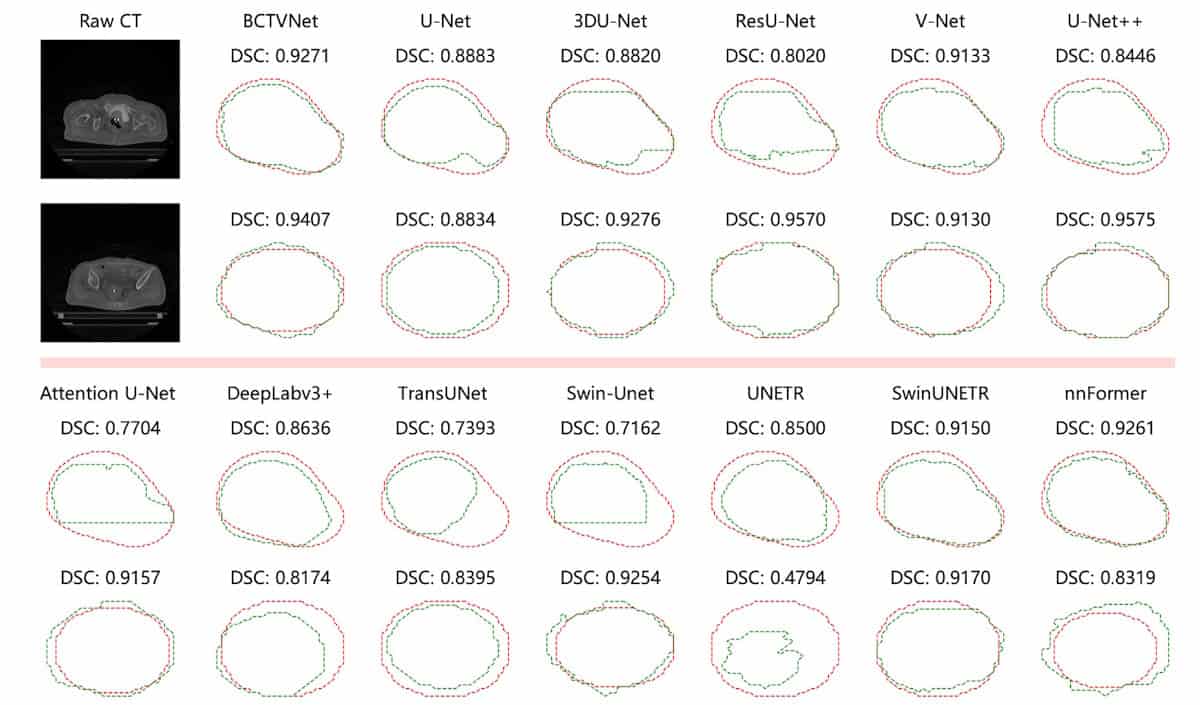
Hybrid deep-learning model eases brachytherapy planning
![]() |
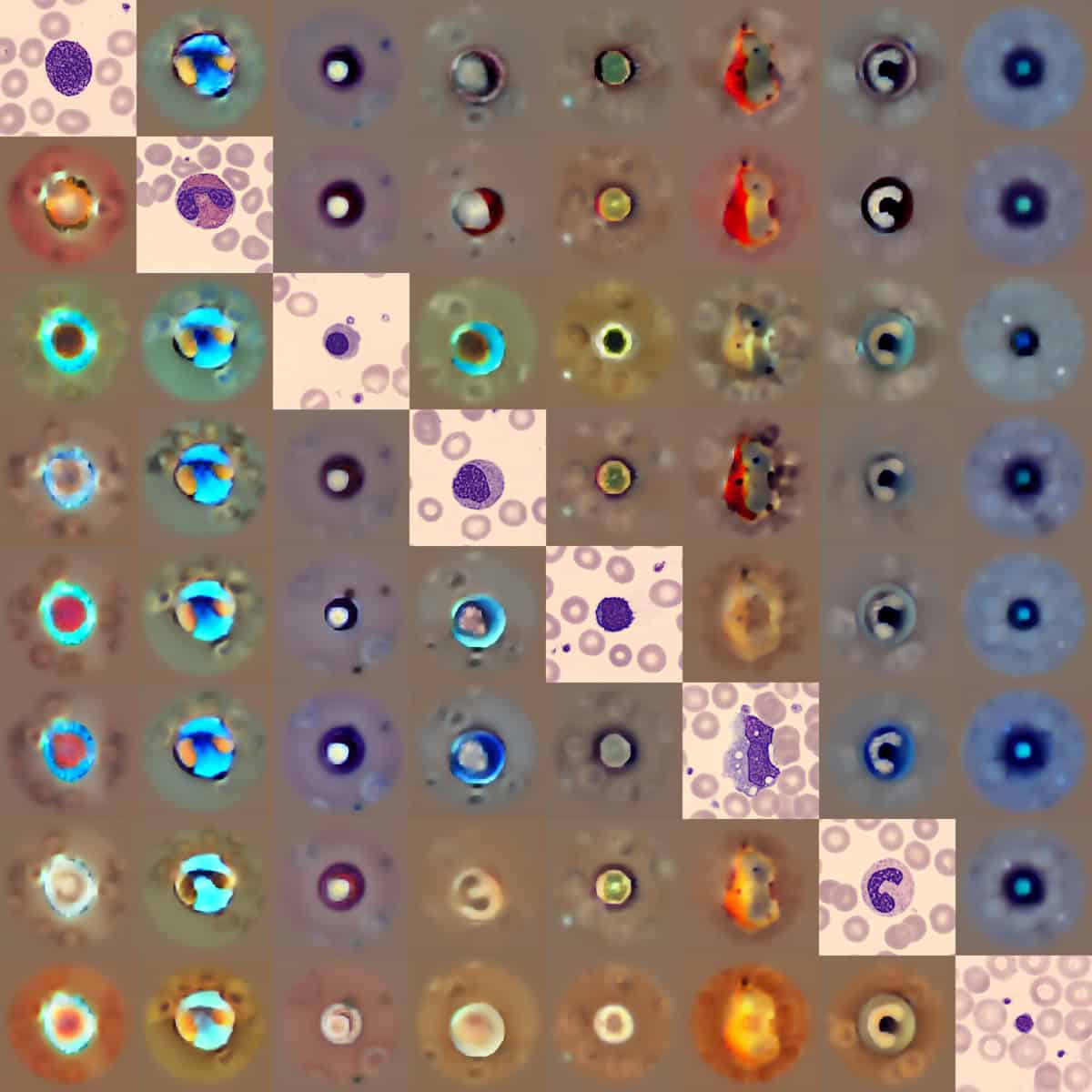
A generative AI model detects blood cell abnormalities
![]() |
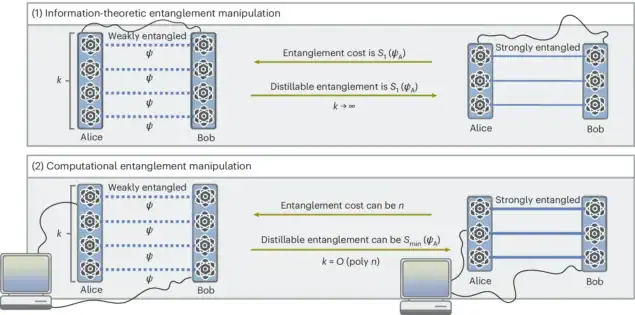
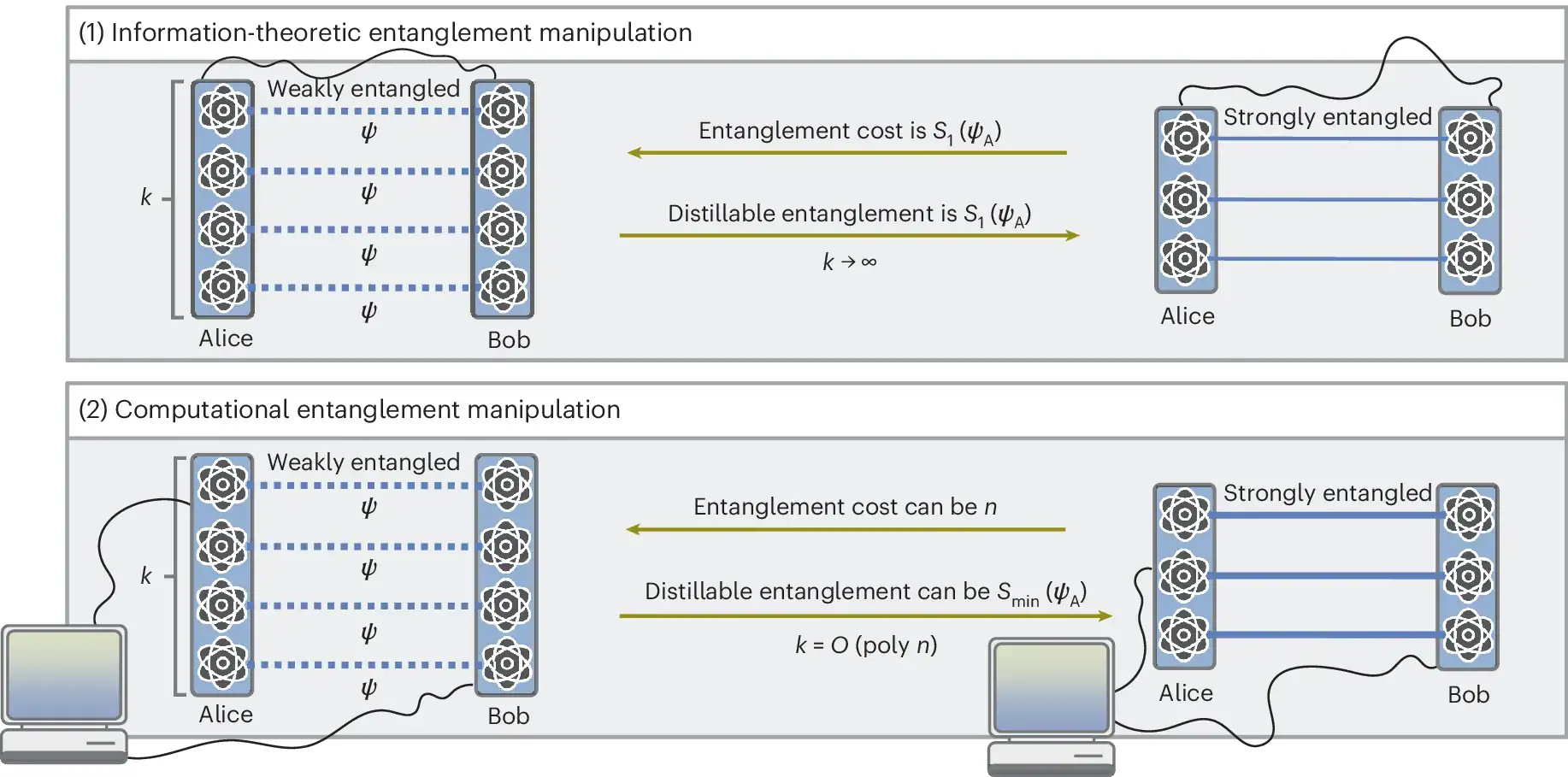
Real-world quantum entanglement is far from an unlimited resource
![]() |
Quantum gravity: we explore spin foams and other potential solutions to this enduring challenge
Τετάρτη 24 Δεκεμβρίου 2025
Quantum-scale thermodynamics offers a tighter definition of entropy
![]() |
Τρίτη 23 Δεκεμβρίου 2025
Κυριακή 21 Δεκεμβρίου 2025
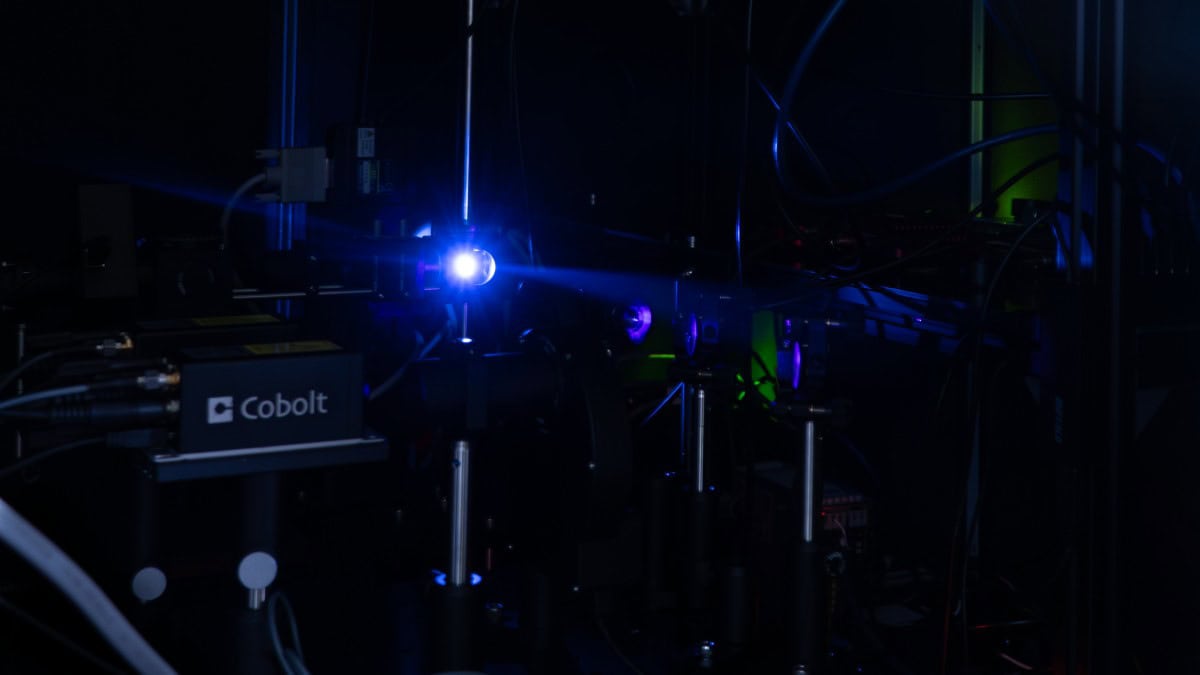
Looking for inconsistencies in the fine structure constant

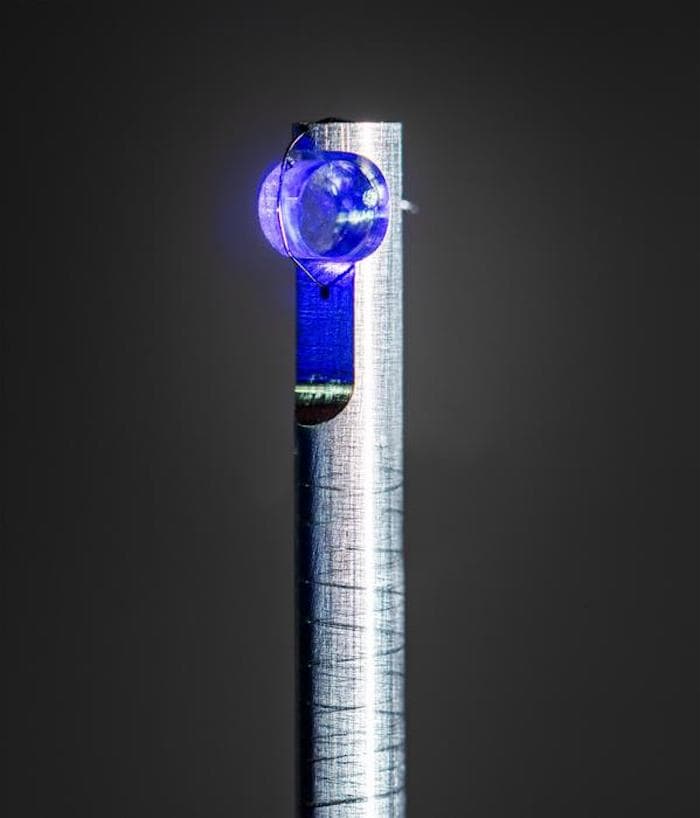
New high-precision laser spectroscopy measurements on thorium-229 nuclei could shed more light on the fine structure constant, which determines the strength of the electromagnetic interaction, say physicists at TU Wien in Austria.
The electromagnetic interaction is one of the four known fundamental forces in nature, with the others being gravity and the strong and weak nuclear forces. Each of these fundamental forces has an interaction constant that quantifies its strength relative to the others. The fine structure constant, α, has a value of approximately 1/137. If it had any other value, charged particles would behave differently, chemical bonding would manifest in another way, and light-matter interactions as we know them would not be the same.
“As the name ‘constant’ implies, we assume that these forces are universal and have the same values at all times and everywhere in the universe,” explains study leader Thorsten Schumm from the Institute of Atomic and Subatomic Physics at TU Wien.
Σάββατο 20 Δεκεμβρίου 2025
Physicists use a radioactive molecule’s own electrons to probe its internal structure
![]() |
‘Patchy’ nanoparticles emerge from new atomic stencilling technique
![]() |
Will this volcano explode, or just ooze? A new mechanism could hold some answers
![]() |